Analytixy
  • Home
  • Articles
  • About Us
  • Contact Us

Facebook Feed

Facebook Feed
© 2025 Analytixy – All Right Reserved.
Author

Martin Romero

Martin Romero

Articles

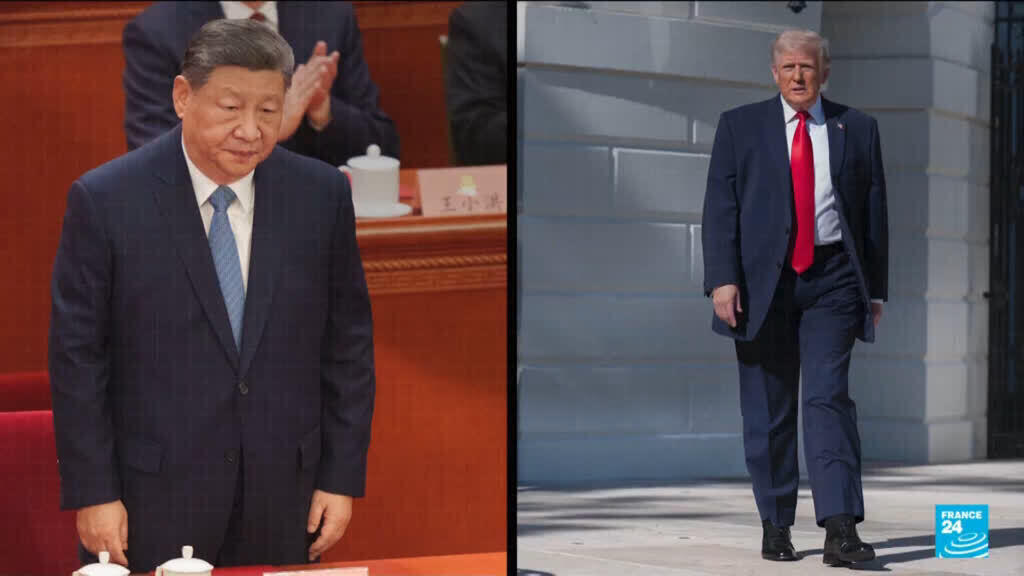
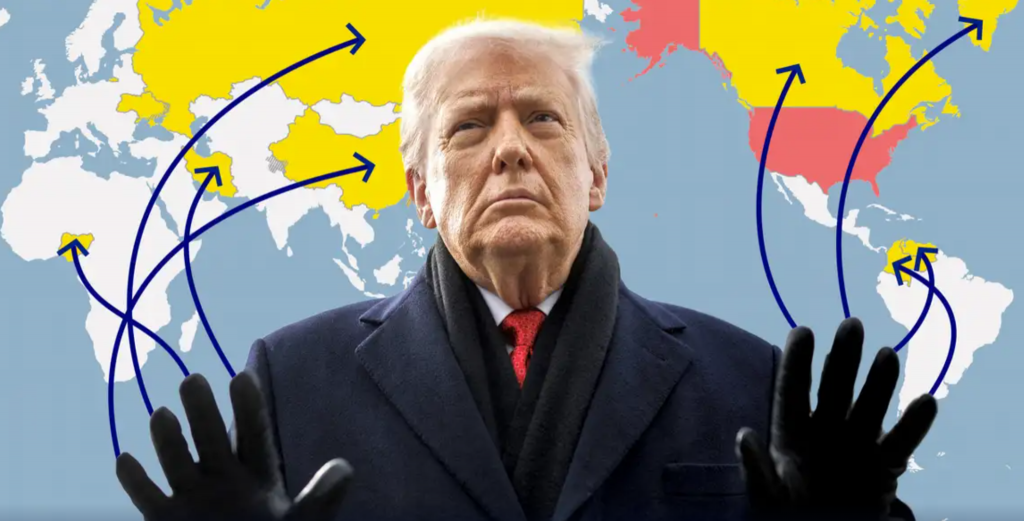
How Trump Is Reshaping the Global Order

by Martin Romero 28 April 2026
written by Martin Romero

A Shift No One Can Ignore

The global balance of power is changing—and much of the conversation is centered around Donald Trump. His political approach, priorities, and strategic vision are increasingly seen as factors that could redefine how the world operates.

For decades, the international system was built on alliances, shared rules, and predictable cooperation. Today, that structure is being questioned—and possibly rewritten.


From Rules to Power

One of the key changes associated with Trump’s approach is a shift away from traditional multilateral systems toward more direct, interest-driven decision-making.

This means:

  • Bilateral deals replacing broad international agreements
  • National interests taking priority over collective frameworks
  • Faster decisions—but with less predictability

For institutions like the European Union, this represents a major challenge. Stability has long depended on rules. When those rules change, so does the entire system.


Europe in a New Reality

Europe is now facing a more complex environment. Long-standing assumptions about security, trade, and cooperation are no longer guaranteed.

As a result:

  • Strategic autonomy is becoming a priority
  • Economic policies are being reconsidered
  • Dependence on external partners is under scrutiny

This is not just political—it directly affects how Europe plans its future.


Markets React to Uncertainty

Global financial markets are highly sensitive to geopolitical shifts. When the rules of the game change, investors react immediately.

Possible effects include:

  • Increased volatility in global markets
  • Shifts in investment flows
  • Currency fluctuations
  • Changes in trade dynamics

Even before policies are implemented, expectations alone can move markets.


From Global Power to Personal Impact

For individuals, especially across Europe, these changes are becoming more tangible.

They can lead to:

  • Fluctuations in income stability
  • Changes in job markets
  • Pressure on savings and investments

What once seemed like distant political decisions now directly influences everyday financial life.


A System in Transition

The discussion around how Donald Trump is reshaping the global order reflects a broader transformation:

  • Institutions are evolving
  • Power is becoming more concentrated
  • Stability is becoming less predictable

This transition creates both risks and opportunities—but above all, it demands adaptability.


Conclusion: A New Global Landscape

The world is entering a period where the old rules may no longer apply.

Whether through policy shifts, strategic decisions, or new alliances, the influence of figures like Donald Trump is accelerating change across the global system.

For Europe—and for individuals within it—the key takeaway is clear:

In a world where the rules are being rewritten, the ability to adapt is no longer optional—it’s essential.


28 April 2026 0 comments
0 FacebookTwitterPinterestEmail
Articles

“Peace Council” or Political Tool? Trump’s Influence Raises New Questions

by Martin Romero 28 April 2026
written by Martin Romero

A New Initiative—or a New Power Mechanism?

A recently discussed initiative often referred to as a “Peace Council” has sparked debate among analysts and policymakers. According to reports, the concept—linked to Donald Trump—is being viewed not only as a diplomatic mechanism, but potentially as an instrument of personal political influence.

At first glance, such a council appears to promote dialogue and conflict resolution. But behind the scenes, experts are asking a different question:

Who really controls the agenda—and what does it mean for global stability?


Influence Beyond Traditional Structures

Unlike established international institutions, this proposed structure could operate with greater flexibility—and less oversight.

That raises key concerns:

  • Decision-making may become more centralized
  • Political influence could outweigh institutional processes
  • Strategic goals may shift depending on leadership priorities

For observers in the European Union, this signals a potential shift away from predictable, rules-based diplomacy toward more personalized global influence.


Why Europe Is Paying Attention

Europe has long relied on stable alliances and structured international cooperation. Any move toward informal or personality-driven diplomacy introduces uncertainty.

If initiatives like this gain traction, they could:

  • Alter transatlantic relations
  • Influence conflict resolution strategies
  • Shift the balance of geopolitical power

For European policymakers, the challenge is not just understanding the initiative—but anticipating its consequences.


The Economic Angle: Uncertainty Has a Price

Geopolitical shifts rarely stay confined to politics—they quickly impact markets.

Even the perception of changing power dynamics can lead to:

  • Market volatility
  • Investor hesitation
  • Currency fluctuations
  • Changes in capital flow

In today’s environment, uncertainty itself becomes an economic factor.


From Global Politics to Personal Finances

For individuals across Europe, especially those aged 30–60, these developments are increasingly relevant.

They can translate into:

  • Instability in financial markets
  • Pressure on long-term investments
  • Reduced predictability in income and savings

Global political influence is no longer distant—it directly shapes financial reality.


A Changing System

The discussion around a “Peace Council” reflects a broader transformation:

  • Traditional institutions are being questioned
  • Power is becoming more personalized
  • Stability is becoming less predictable

This creates a new environment where both governments and individuals must adapt more quickly than before.


Conclusion: A Signal of a New Era

Whether the “Peace Council” becomes a formal institution or remains a political concept, one thing is clear:

The way global influence is exercised is changing.

For Europe—and for individuals within it—this shift brings both uncertainty and new challenges.

In a world where decisions can be shaped by individuals as much as institutions, the ability to adapt is becoming more important than ever.

28 April 2026 0 comments
0 FacebookTwitterPinterestEmail
Articles

Europe on Alert: Intelligence Report Raises Fears of a Baltic Threat

by Martin Romero 28 April 2026
written by Martin Romero

A Warning That’s Hard to Ignore

A recent report from German intelligence has raised serious concerns across European Union institutions: Russia may be preparing for a potential escalation involving the Baltic region.

While no immediate conflict has been confirmed, the mere possibility is enough to trigger reactions across political, military, and—critically—financial systems in Europe.

This is not just a geopolitical headline. It’s a signal with real economic consequences.


Why the Baltic Region Matters

The Baltic states—Estonia, Latvia, and Lithuania—are not only EU members but also part of NATO’s eastern flank. Any instability in this region would have immediate implications for European security and global markets.

Historically, tensions in Eastern Europe have led to:

  • Energy market disruptions
  • Increased defense spending
  • Financial market volatility

Today, these effects could unfold even faster.


The Real Impact: Markets React First

In modern economies, financial markets respond long before political outcomes are clear.

Even the discussion of potential escalation can lead to:

  • Rising energy prices
  • Currency fluctuations
  • Investor uncertainty
  • Stock market instability

For Europe, which is still navigating economic pressure and inflation, this adds another layer of risk.


From Geopolitics to Personal Finances

For many Europeans, especially those aged 30–60, these developments are no longer distant or abstract.

They translate into:

  • Higher living costs
  • Increased uncertainty around income
  • Pressure on savings and long-term planning

What happens at the geopolitical level quickly reaches everyday financial reality.


A System Under Stress

The report highlights a broader issue: the growing fragility of interconnected systems.

Even without direct conflict:

  • Markets react to expectations, not just events
  • Governments need time to respond
  • Economic stability can shift rapidly

This creates a gap where individuals are exposed to sudden financial changes.


A Shift in Behavior

As uncertainty grows, financial behavior is changing.

More people are starting to ask:

  • How can I protect my finances from global shocks?
  • Is relying only on traditional systems enough?
  • What alternatives offer more flexibility and control?

This shift reflects a deeper trend—moving from passive reliance to active financial management.


Conclusion: A Signal of a New Reality

The intelligence warning about Russia and the Baltic region is not just about security.

It’s about stability—economic, financial, and personal.

In today’s world, geopolitical risks are no longer distant events. They are immediate triggers that can reshape markets and impact everyday life across the European Union.

The key question is no longer whether uncertainty will appear.
It’s how prepared you are when it does.

28 April 2026 0 comments
0 FacebookTwitterPinterestEmail
Articles

Europe Eyes Control Over a Critical Oil Route — Why It Matters for Your Money

by Martin Romero 28 April 2026
written by Martin Romero

A Distant Strait With Immediate Consequences

At first glance, the Strait of Hormuz may seem far removed from everyday life in Europe. But in reality, this narrow waterway—through which a significant share of the world’s oil supply passes—has become one of the most critical pressure points for the global economy.

Now, the European Union is actively discussing new measures to ensure security in the region. The reason is simple: any disruption here doesn’t stay local—it hits Europe almost instantly.


Why Europe Is Paying Close Attention

The Strait of Hormuz is a vital artery for global energy flows. Even minor tensions can trigger:

  • Sharp increases in oil and gas prices
  • Rising inflation across European economies
  • Immediate volatility in financial markets

For Europe, which remains heavily dependent on energy imports, stability in this region is not optional—it’s essential.


The Real Risk: Speed of Impact

What makes this situation particularly concerning is not just the scale—but the speed.

In today’s interconnected world:

  • A geopolitical escalation can affect energy prices within hours
  • Inflation can rise within weeks
  • Financial markets react almost instantly

This creates a new kind of economic reality—one where external events rapidly translate into internal financial pressure.


From Geopolitics to Your Wallet

For many Europeans, especially those aged 30–60, these developments are no longer abstract.

They show up as:

  • Higher utility and fuel costs
  • Increased cost of living
  • Greater uncertainty around income and savings

The connection is direct: instability in global supply routes leads to instability in personal finances.


A System Under Pressure

Europe’s efforts to secure the Strait of Hormuz highlight a broader issue—the growing fragility of the global system.

Even with coordinated political action, risks remain:

  • External dependencies cannot be fully eliminated
  • Market reactions are often unpredictable
  • Government responses take time

This gap between events and response creates a window of financial vulnerability.


A Shift in Financial Thinking

As these risks become more visible, behavior is starting to change.

More people are beginning to ask:

  • How do I protect my income from external shocks?
  • Can I rely solely on traditional systems?
  • What options exist for more flexible financial control?

This is where a new mindset is emerging—one focused not just on growth, but on adaptability.


Why This Moment Matters

The situation around the Strait of Hormuz is not just another geopolitical headline.

It’s a signal.

A signal that:

  • Global events are increasingly unpredictable
  • Economic stability can shift quickly
  • Financial strategies must evolve accordingly

Conclusion: Control in an Uncertain World

Europe is working to secure critical supply routes—but the outcome is never fully guaranteed.

For individuals, the takeaway is becoming clearer:

In a world where external events can reshape your finances overnight, relying solely on the system may no longer be enough.

The question is no longer whether instability will occur.

The question is: are you prepared for it?

28 April 2026 0 comments
0 FacebookTwitterPinterestEmail
Articles

Is the EU’s Strategy Against Poverty Really Working?

by Martin Romero 27 April 2026
written by Martin Romero

Ambitious Plans, Uncertain Results

The European Union has positioned itself as a global leader in tackling inequality and poverty, both within Europe and beyond. At the center of this effort is the Global Gateway initiative—a €300 billion investment strategy designed to support infrastructure, development, and economic growth worldwide.

However, a recent European audit has raised serious questions about whether these ambitions are translating into real results.


Delays, Gaps, and Limited Impact

According to audit findings, the Global Gateway program is struggling to meet its stated objectives:

  • Some projects are experiencing significant delays
  • Others are failing to deliver the expected economic impact
  • Implementation challenges are slowing overall progress

While large-scale investment often comes with complexity, these issues suggest deeper structural inefficiencies. The gap between planned outcomes and real-world results is becoming increasingly visible.


What This Means for Poverty Reduction

The core goal of initiatives like Global Gateway is to reduce poverty by stimulating economic growth and improving infrastructure. But when projects stall or underperform, the intended benefits—job creation, income growth, and improved living standards—are also delayed or diminished.

This raises a critical question:

Can large-scale public investment alone effectively address poverty?

If outcomes remain inconsistent, the strategy may need to be re-evaluated—not only in terms of funding, but also execution and accountability.


A Signal for Private Investors

Beyond public policy, the audit sends a clear message to private investors.

Traditionally, large government-backed programs are seen as stable and reliable signals for investment. However, the current situation suggests otherwise:

  • Even massive public funding does not guarantee efficiency
  • Project risks remain significant despite institutional backing
  • Outcomes can be unpredictable due to political and operational factors

For investors, this changes the equation. Relying solely on “the system” is no longer enough.


Rethinking Financial Strategy

As uncertainty around public investment effectiveness grows, both institutions and individuals are being forced to reconsider their approach.

Key shifts include:

  • Greater focus on flexibility and diversification
  • Increased interest in independent or adaptive financial tools
  • More critical evaluation of government-led initiatives

This reflects a broader trend: trust in large systems is being replaced by a need for control and responsiveness.


The Bigger Picture

The challenges facing the Global Gateway program are not isolated. They reflect a wider issue within large-scale economic strategies—where ambition often outpaces execution.

For the European Union, the stakes are high. Successfully addressing poverty is not just a moral objective, but also essential for long-term economic stability and political cohesion.


Conclusion: A Strategy at a Crossroads

The EU’s anti-poverty strategy remains ambitious, but its effectiveness is now under scrutiny. The €300 billion Global Gateway initiative was meant to deliver transformative results—yet the reality appears more complex.

For policymakers, the challenge is to improve execution and restore confidence.

For investors, the lesson is clear:

Even the largest systems are not immune to inefficiency—so adaptation is no longer optional.

27 April 2026 0 comments
0 FacebookTwitterPinterestEmail
Articles

Nvidia and OpenAI Reportedly Back $20 Billion AI Investment, Expanding the Role of Automation in Finance

by Martin Romero 23 April 2026
written by Martin Romero
OpenAI: Here's Why Spending Billions on GPUs Makes Sense

The global technology sector is once again drawing attention after reports emerged of a large-scale investment initiative involving Nvidia and OpenAI.

According to early information circulating in industry discussions, the two companies are linked to a $20 billion investment into an AI-focused platform known as Fin Zen AI, aimed at advancing the use of artificial intelligence in financial systems.

While details remain limited, analysts suggest the move reflects a broader trend:
AI is increasingly being positioned as a core component of modern financial infrastructure.


📊 AI and Finance Are Converging

Artificial intelligence has long been used in financial markets, particularly by large institutions.

These systems help:

  • analyze market behavior
  • process large datasets
  • support decision-making

However, access to such tools has historically been restricted to professionals.

Recent developments suggest a shift.

New platforms are emerging that attempt to bring similar capabilities to a wider audience.


⚡ What the Investment Signals

If confirmed, the scale of the reported investment would make it one of the largest AI-focused financial initiatives in recent years.

Experts believe it could indicate:

  • growing confidence in AI-driven financial systems
  • increased competition in the fintech sector
  • a push toward automation and scalability

The involvement of major technology players would also reinforce the idea that AI is moving beyond experimentation into practical deployment.


🌍 Broadening Access to Technology

One of the most notable aspects of this development is the emphasis on accessibility.

According to available information, platforms like Fin Zen AI are designed to:

  • simplify interaction with financial tools
  • reduce reliance on manual analysis
  • provide user-friendly interfaces

This could allow a broader group of users — including non-professionals — to explore AI-supported approaches.


💡 A Changing User Base

Traditionally, advanced financial tools have been used by:

  • experienced traders
  • financial analysts
  • institutional investors

Now, developers appear to be targeting a much wider audience, including:

  • independent users
  • freelancers
  • individuals with limited trading experience

This reflects a broader shift in fintech toward inclusivity and ease of use.


⚠️ Challenges and Considerations

Despite the potential, experts emphasize that:

  • financial markets remain unpredictable
  • AI systems rely heavily on data inputs
  • automation does not eliminate risk

While these tools may assist users, they are not substitutes for informed decision-making.


🔍 Industry Perspective

The reported involvement of companies like Nvidia and OpenAI highlights the growing importance of infrastructure and computation in financial technology.

Advanced AI systems require:

  • high-performance computing
  • optimized algorithms
  • large-scale data processing

This makes partnerships between technology providers and financial platforms increasingly relevant.


❓ What Comes Next

At this stage, many aspects of the reported initiative remain unconfirmed.

Key questions include:

  • how the platform will be deployed
  • what level of access users will have
  • how regulators will respond

The coming months are likely to provide more clarity as additional details emerge.


🔥 Conclusion

The reported $20 billion investment involving major technology players signals a potential new phase in the development of AI-driven finance.

As artificial intelligence continues to evolve,
its integration into financial systems may redefine how individuals and institutions approach markets.

23 April 2026 0 comments
0 FacebookTwitterPinterestEmail
Articles

China Condemns US Hormuz Blockade as Oil Flows Are Disrupted

by Martin Romero 21 April 2026
written by Martin Romero

What It Means for Global Markets — and Why Technology Is Becoming the Next Battlefield

Tensions in global energy markets escalated sharply after reports that the United States has taken steps to restrict maritime activity around the Strait of Hormuz — one of the world’s most critical oil transit routes. In response, China has strongly condemned the move, warning that any disruption to energy flows could destabilize global trade and economic security.

While details remain limited, early signals from markets and policymakers suggest this is more than a temporary geopolitical flare-up. It may represent a deeper shift in how global power is exercised — not just through military or trade pressure, but through control of infrastructure, supply chains, and increasingly, technology systems.


Why the Strait of Hormuz Matters

The Strait of Hormuz is often described as the world’s most important oil chokepoint. According to the U.S. Energy Information Administration, roughly 20% of global petroleum liquids consumption passes through this narrow waterway.

Source: https://www.eia.gov/international/analysis/regions-of-interest/Strait_of_Hormuz.php

Any disruption — even temporary — has immediate consequences:

  • Oil prices tend to spike
  • Shipping costs increase
  • Supply chains slow down

For major importers like China, the stakes are particularly high.


China’s Response

Chinese officials have called the reported blockade a “serious threat to global stability,” emphasizing the need to keep international trade routes open. The Ministry of Foreign Affairs of the People’s Republic of China urged restraint and warned against actions that could escalate tensions in already sensitive regions.

Source: https://www.fmprc.gov.cn/eng/

At the same time, analysts note that China has been accelerating efforts to diversify energy supply routes and reduce dependency on vulnerable chokepoints — including expanding pipelines and investing in alternative logistics corridors.


Immediate Market Reactions

Markets reacted quickly to the news.

Energy prices showed signs of volatility, and traders began adjusting positions in anticipation of further disruption. According to the International Energy Agency, even the perception of instability in Hormuz can trigger short-term supply shocks.

Source: https://www.iea.org/reports/oil-market-report

Beyond oil, the ripple effects extend into:

  • Shipping and insurance costs
  • Manufacturing supply chains
  • Currency fluctuations in energy-dependent economies

From Oil to Data: A Shift in Global Power

While the immediate focus is on oil flows, some experts argue that the bigger story lies elsewhere.

Control over physical resources like oil has long defined global power. But today, that control is increasingly mirrored in the digital world — where data, infrastructure, and platforms are becoming just as critical.

The same dynamics are emerging:

  • Strategic chokepoints → now include data centers and cloud infrastructure
  • Supply disruptions → now affect semiconductors and digital systems
  • National security → now extends to technology platforms

In other words, what Hormuz is to oil, digital infrastructure is becoming to the global economy.


The Rise of Technology Platforms in a Fragmented World

As geopolitical tensions intensify, governments and corporations are beginning to rethink how they operate — not just physically, but digitally.

We are seeing:

  • Increased interest in sovereign tech infrastructure
  • Growing demand for independent platforms
  • Concerns about reliance on foreign-controlled systems

According to the European Commission, digital sovereignty has become a strategic priority for Europe, with initiatives aimed at reducing dependence on external technology providers.

Source: https://digital-strategy.ec.europa.eu/en


A New Opportunity: Platforms Built for a Changing World

As traditional systems face pressure, new platforms are emerging that aim to adapt to this evolving environment.

These platforms focus on:

  • Faster access to global market data
  • Tools for navigating volatility
  • Increased transparency in financial and digital systems

For individuals and businesses alike, this shift raises an important question:

👉 How do you stay ahead in a world where both physical and digital systems are being reshaped?

Some are turning to new-generation platforms designed to provide insights and tools for navigating these changes.


Conclusion

The situation around the Strait of Hormuz highlights how quickly global stability can be affected by geopolitical decisions.

But it also points to something deeper:

The world is moving from a system defined by physical resources to one increasingly shaped by technology, data, and digital control.

As these forces converge, those who understand both sides of the equation — energy and technology — may be better positioned to navigate what comes next.

21 April 2026 0 comments
0 FacebookTwitterPinterestEmail
Articles

7 Key Technological Advancements Shaping the Industry in 2026

by Martin Romero 14 April 2026
written by Martin Romero

Imagine waking up to a humanoid robot quietly folding your laundry while an AI agent books your vacation, negotiates your bills, and even picks the perfect playlist for your morning commute. This isn’t a sci-fi trailer — it’s everyday reality unfolding right now in 2026.

The future didn’t sneak up on us. It arrived with robots that move like humans, batteries made from table salt, AI that doesn’t just chat but acts, and data centers so powerful they’re heading to space. Backed by real deployments from MIT Technology Review’s 10 Breakthrough Technologies of 2026, Gartner’s top trends, and companies like Tesla, CATL, and Boston Dynamics, these innovations are already in factories, cars, homes, and boardrooms.

Here are the seven game-changing breakthroughs experts can’t stop talking about — complete with real-world examples that prove they’re not hype. They’re here, and they’re about to change how you work, travel, power your home, and even connect with others.

Humanoid robots are ready to do your housework in 2026

Humanoid robots are ready to do your housework in 2026

1. Physical AI: Humanoid Robots That Live and Work Alongside You

Forget clunky factory arms. Physical AI — Gartner’s top 2026 trend — powers intelligent robots that see, move, and adapt to the messy real world. These humanoids combine advanced sensors, computer vision, and neural networks to handle unpredictable tasks.

Real example? Tesla’s Optimus Gen 2 (and now Gen 3) is already performing factory tasks at Tesla facilities, with weekly software updates based on real-world data. Boston Dynamics’ electric Atlas is in full production mode after its CES 2026 debut, doing everything from flipping joints in mind-bending ways to assisting in warehouses. 1X’s NEO is shipping directly to people’s homes for everyday help, while BMW is testing Figure 03 robots in its South Carolina plant for precision two-handed work that traditional robots can’t handle.

The impact? Warehouses running 24/7 with fewer errors, seniors gaining independence, and homes that finally feel futuristic. Costs are plummeting too — from $35,000 per unit in 2025 to as low as $13,000–$17,000 soon.

Tesla Optimus vs Unitree G1 [2026]

Tesla Optimus vs Unitree G1 [2026]

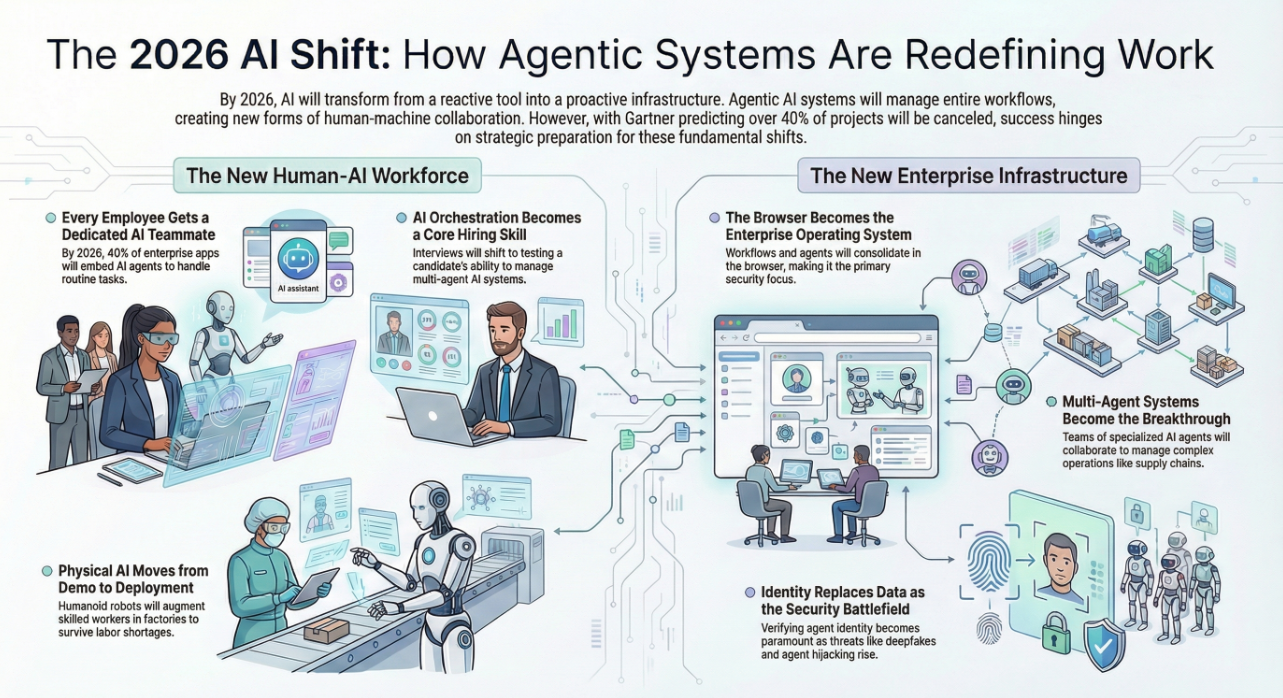
2. Agentic AI: Autonomous “Teammates” That Actually Get Stuff Done

Tired of AI that only suggests ideas? Enter agentic AI — systems that plan, act, adapt, and even manage other agents without constant human input. Gartner predicts multiagent systems will be everywhere by 2026.

Real-world proof: Walmart’s “super agents” (Marty for suppliers, Sparky for shoppers) handle real-time inventory and customer experiences. UiPath customers like Pearson and SunExpress use agentic orchestration for complex workflows. Siemens and PepsiCo’s Digital Twin Composer lets AI agents simulate supply chain changes with physics-level accuracy before touching the real world.

These silicon colleagues are booking trips, running DevOps, triaging cybersecurity threats, and even negotiating contracts while you sleep. The shift from “helpful assistant” to “autonomous workforce” is the biggest enterprise story of 2026.

I Spent 6 Months Researching Agentic AI: Here Are the 7 Shifts That Will  Define 2026 | by Michael J. Goldrich | Medium

I Spent 6 Months Researching Agentic AI: Here Are the 7 Shifts That Will Define 2026 | by Michael J. Goldrich | Medium

3. Sodium-Ion Batteries: Cheaper, Safer Power That’s Finally in Your Car

Lithium is expensive and scarce. Sodium-ion batteries, made from abundant table salt, are MIT’s top breakthrough for 2026 — and they’re already hitting roads.

CATL (the world’s largest battery maker) began mass production in late 2025 and rolled out the Changan Nevo A06 in early 2026 — the first mass-produced passenger EV with sodium-ion tech. It delivers over 500 km range, ultra-fast charging, and performs brilliantly in extreme cold (retaining 92% capacity at -20°C). BAIC’s Aurora series followed quickly, with 170+ Wh/kg density and 4C charging that fills the pack in ~11 minutes.

Why it matters: Cheaper EVs for everyone, massive grid storage without fire risks, and a faster renewable energy transition. No more waiting for lithium prices to drop — sodium is here now.

The World's First Sodium-Ion Battery EV Is A Winter Range Monster

The World’s First Sodium-Ion Battery EV Is A Winter Range Monster

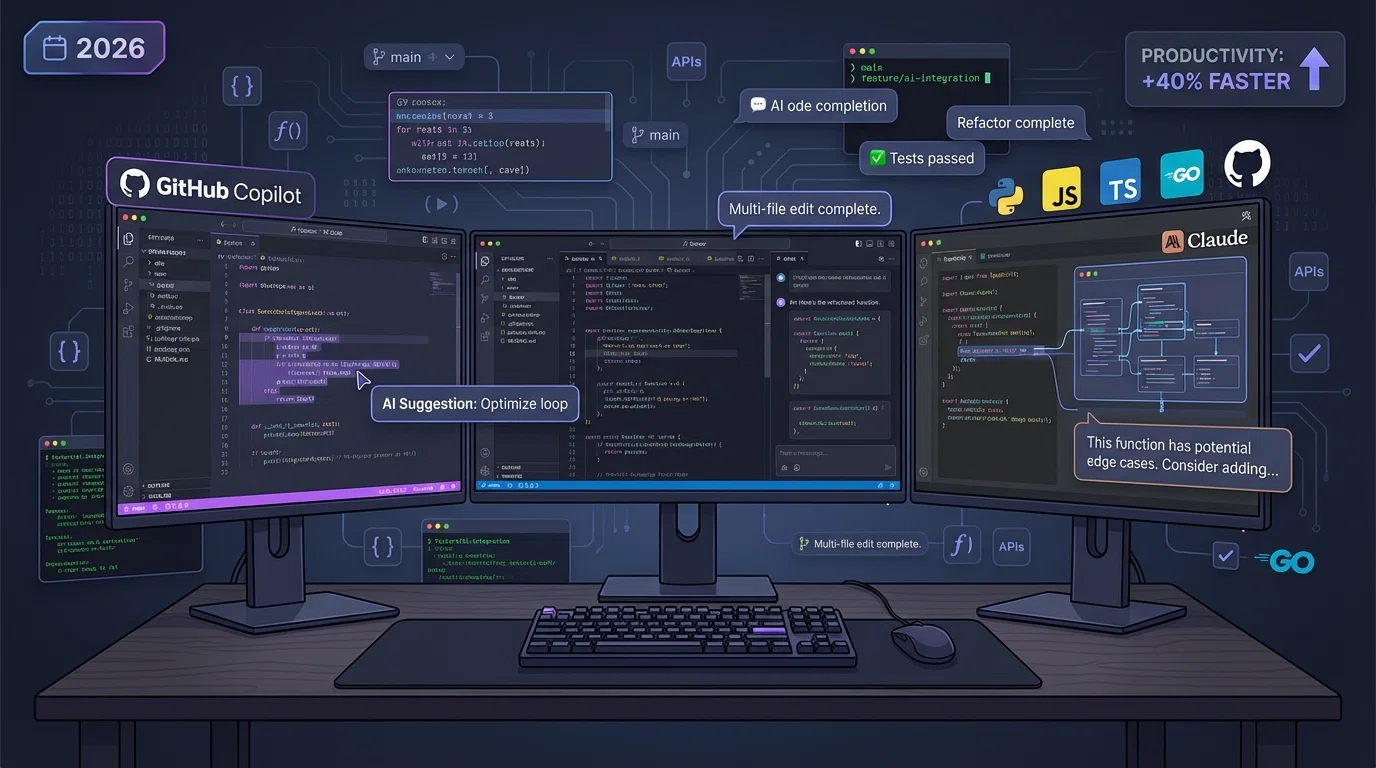
4. Generative Coding: AI That Builds Real Software from Simple Prompts

Developers used to spend months coding. Now? Describe what you want, and AI writes, tests, debugs, and deploys entire apps. MIT calls it one of 2026’s biggest breakthroughs.

Tools like Cursor, GitHub Copilot, and Claude Code are turning non-coders into app builders. Small teams are shipping complex websites, mobile apps, and even games faster than ever. Professional developers report 40%+ productivity gains — refactoring code, handling multi-file projects, and passing tests autonomously.

Real impact: Startups launch MVPs in days instead of months. Fortune 100 companies have millions of paid Copilot users. Coding is no longer a barrier — it’s becoming a skill anyone can leverage.

AI Tools for Developers: 20+ Best ChatGPT & Coding Assistants (2026)

AI Tools for Developers: 20+ Best ChatGPT & Coding Assistants (2026)

5. AI Companions: Digital Friends That Actually “Get” You

Loneliness is real. In 2026, millions are turning to AI companions that remember every conversation, sense your mood, and offer genuine emotional support. MIT listed them as a breakthrough for good reason.

Platforms like evolved Replika, Lepro AI’s Ami (debuted at CES 2026 with context-aware empathy via sensors), and advanced chatbots simulate friendship or even romance. Harvard research shows they reduce loneliness as effectively as human interaction for some users. Seniors use them for daily check-ins; busy professionals vent without judgment.

But experts warn of emotional dependency risks — the tech is powerful, so safeguards matter. Still, for many, these companions are a lifeline in a disconnected world.

CES 2026: Meet Lepro AI's Ami, the AI soulmate for the lonely remote worker  | Mashable

CES 2026: Meet Lepro AI’s Ami, the AI soulmate for the lonely remote worker | Mashable

6. Next-Gen Nuclear Reactors: Clean, Always-On Power That’s Finally Scalable

Renewables are great — until the sun doesn’t shine. Small Modular Reactors (SMRs) are MIT’s answer: smaller, safer, factory-built nuclear plants that can power data centers and cities without emissions.

2026 is the licensing year. NuScale and others are advancing U.S. approvals, with first criticality pilots targeted for mid-2026. Companies like Constellation and TerraPower are pairing SMRs directly with AI data centers to solve the massive power hunger. Europe’s EDF aims for 30 SMRs by 2050, with conceptual designs finalizing this year.

Steady baseload power + renewables = the clean energy dream finally realized.

New U.S. BWRX-300 projects get Japanese investment -- ANS / Nuclear Newswire

New U.S. BWRX-300 projects get Japanese investment — ANS / Nuclear Newswire

7. Hyperscale AI Data Centers + Commercial Space Stations: The Infrastructure Powering It All

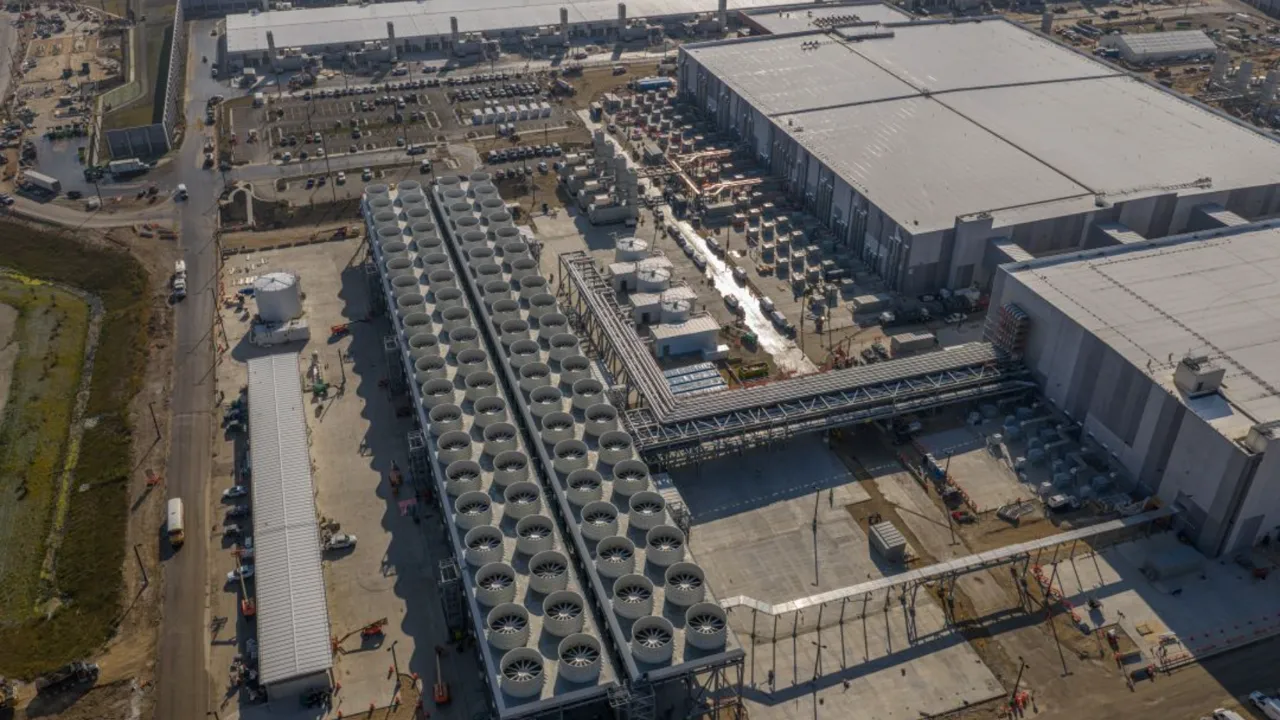
Every AI breakthrough needs insane computing power. Hyperscale data centers pack hundreds of thousands of GPUs into supercomputer clusters — but they’re power-hungry beasts.

Meanwhile, the ultimate frontier: orbital data centers. SpaceX filed for up to a million satellites for AI compute in space. Axiom Space and Spacebilt plan an orbital data center node on the ISS by 2027, while Google’s Project Suncatcher explores space-based TPUs. Commercial stations like Vast’s Haven-1 are launching as early as May 2026.

Why space? Cooler temps, unlimited solar power, and no earthly grid limits. The AI infrastructure race just went orbital.

AI-First Hyperscalers: 2026's Sprint Meets the Power Bottleneck

AI-First Hyperscalers: 2026’s Sprint Meets the Power Bottleneck

The Bottom Line 2026 isn’t about “someday” tech — it’s about breakthroughs already deploying in factories, on roads, in your pocket, and soon in orbit. From robots that do your chores to AI agents that run your life and batteries that make EVs affordable for all, these changes are real, measurable, and accelerating.

14 April 2026 0 comments
0 FacebookTwitterPinterestEmail
Articles

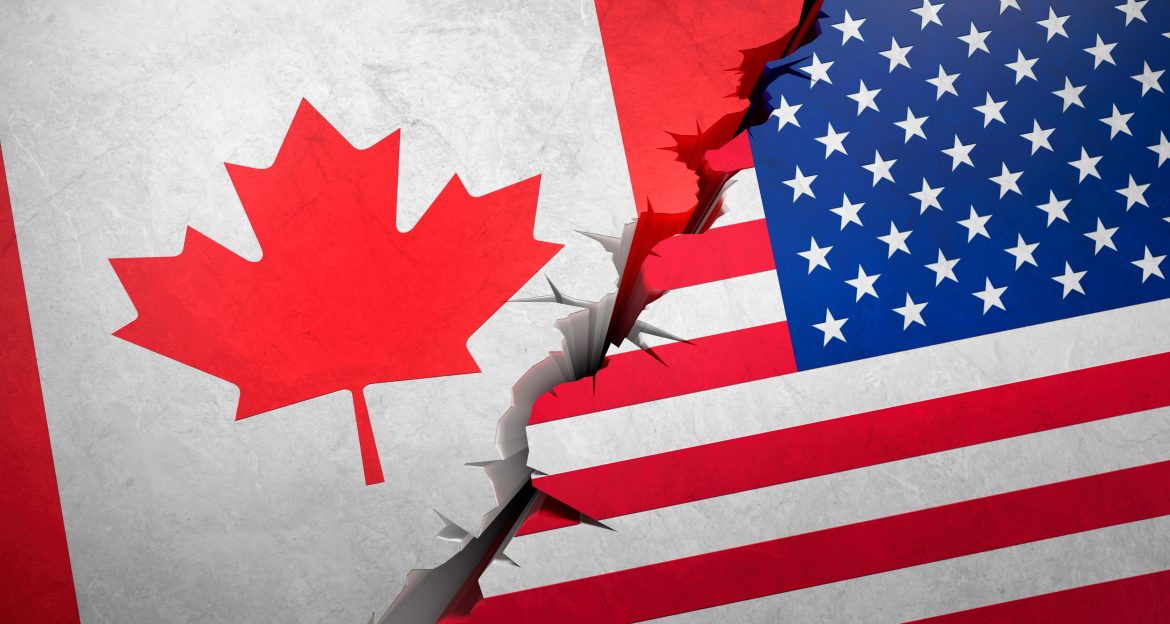
The Impact of U.S. Tariffs on Canada in 2026

by Martin Romero 9 April 2026
written by Martin Romero

In 2026, new trade measures introduced by the United States have significantly affected its northern neighbor, Canada. As one of the closest trading partners in the world, Canada’s economy is highly sensitive to policy changes in the U.S., making the latest round of tariffs a major concern for businesses and policymakers alike.


Background of the Tariffs

The U.S. government implemented tariffs on a range of imported goods, including industrial materials, automotive components, and certain natural resources. These measures were designed to boost domestic manufacturing and reduce reliance on foreign suppliers.

However, due to the deeply integrated supply chains between the U.S. and Canada, the impact has extended beyond the intended targets, affecting cross-border industries that rely on smooth and predictable trade flows.


Key Sectors Affected in Canada

Several sectors in Canada have been directly impacted by the new tariffs:

  • Energy Sector
    Canada is a major exporter of oil, gas, and energy-related products to the United States. Tariffs and regulatory barriers have complicated these exports, creating uncertainty and potential revenue losses.
  • Automotive Industry
    The North American auto industry is highly interconnected. Parts often cross the border multiple times during production. Tariffs increase costs and disrupt this system, affecting both manufacturers and suppliers.
  • Manufacturing and Raw Materials
    Canadian producers of steel, aluminum, and other materials face reduced competitiveness in the U.S. market due to higher costs.

Economic Consequences

The broader economic impact includes:

  • reduced export volumes to the U.S.
  • increased production costs for Canadian companies
  • pressure on employment in export-driven industries
  • volatility in currency and financial markets

Some companies are now exploring alternative markets or adjusting supply chains to reduce dependency on U.S. trade routes.


Government and Policy Response

Canadian officials have expressed concern over the tariffs and are working through diplomatic and trade channels to address the issue. The government is also considering support measures for affected industries.

At the same time, Canada is strengthening trade relationships with other global partners to diversify its economic exposure and reduce reliance on a single market.


What This Means for Consumers

Canadian consumers may also feel the effects:

  • potential price increases for certain goods
  • reduced availability of some imported products
  • indirect impact on jobs and wages in key industries

While some domestic industries may benefit from reduced foreign competition, the overall effect remains mixed.


Future Outlook

Experts suggest several possible outcomes:

  • Negotiated resolution leading to reduced tariffs
  • Prolonged trade tensions affecting long-term growth
  • Restructuring of supply chains across North America

Given the strong economic ties between the two countries, both sides have incentives to find common ground. However, political and economic priorities may delay a quick resolution.


Conclusion

The 2026 U.S. tariffs present a complex challenge for Canada. While intended to support American industries, their ripple effects highlight the risks of disrupting deeply interconnected economies.

As the situation evolves, businesses, governments, and consumers in Canada will need to adapt to a changing trade environment that could reshape North American economic relations for years to come.

9 April 2026 0 comments
0 FacebookTwitterPinterestEmail
Articles

Nvidia and OpenAI invest $20 billion in Unbanx

by Martin Romero 18 March 2026
written by Martin Romero

The technology world is electrified with groundbreaking news: Nvidia and OpenAI have officially joined forces, announcing a massive $20 billion investment in the rapidly growing platform Unbanx. This strategic partnership aims to make intelligent, AI-driven investing accessible not only to professionals but to everyone interested in using technology to grow their wealth.

This is one of the largest investments in artificial intelligence this year — and for the first time, a next-generation platform like this is opening its doors to everyday users. From students and freelancers to retirees, Unbanx promises to democratize the world of AI-powered finance.


How the Platform Works

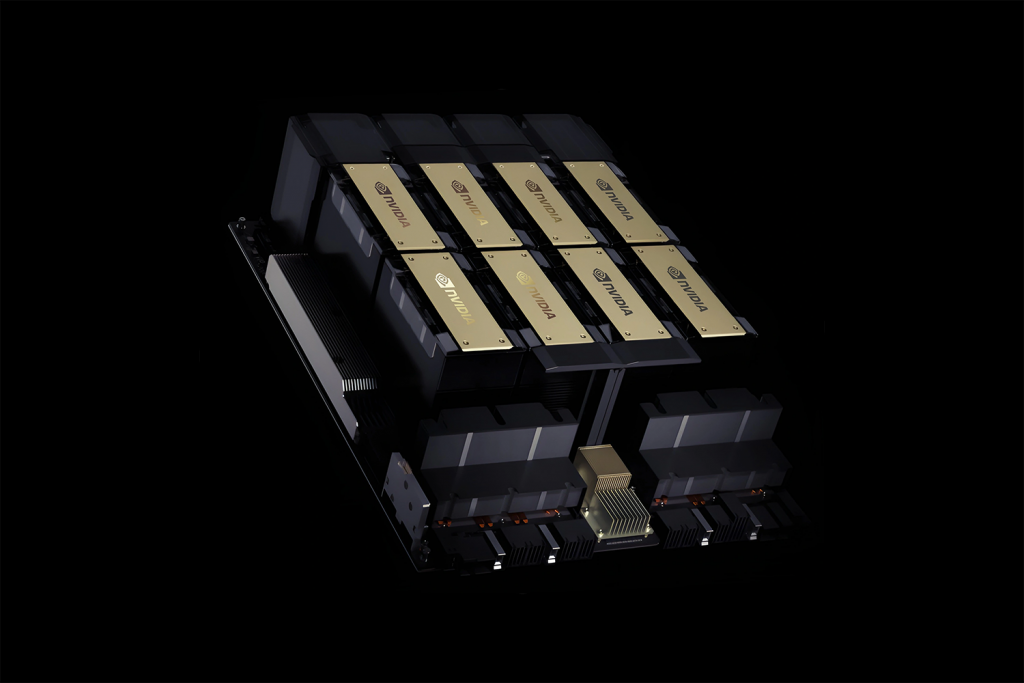
Powered by Nvidia’s latest H200 GPUs — the same technology used to train ChatGPT — Unbanx is capable of analyzing massive volumes of data in seconds. Its smart algorithms scan thousands of market indicators, predict short-term movements, and automatically make precise investment decisions in real time.

All processes are handled automatically. After setting their preferences, users can simply watch as the system manages their trades, reallocates funds, and minimizes risks. According to its developers, Unbanx can execute thousands of transactions per minute, reacting to even the smallest fluctuations before humans could notice them.

Real Profit Potential

Unbanx positions itself as a platform for intelligent capital growth rather than a get-rich-quick scheme. Still, results from early access users have drawn attention worldwide for their impressive outcomes.

Company data shows that users who began with as little as $250 saw noticeable portfolio growth within just hours of active trading. In many cases, profits reached 200–400% per day during peak volatility periods — all thanks to AI’s speed and precision in market response.

“I didn’t expect much when I started, but within a few hours my balance tripled. What amazed me most was how the system handled everything — no guesswork, no stress, just results,” shared one of the early adopters of the platform.


Why Nvidia and OpenAI Decided to Collaborate

The partnership combines Nvidia’s advanced hardware with OpenAI’s world-class machine learning expertise. Nvidia provides the computing backbone with its ultra-efficient H200 chips, while OpenAI contributes predictive models that allow the system to analyze data, adapt, and self-improve continuously.

Experts suggest that this collaboration could pave the way for a new financial ecosystem — one where artificial intelligence doesn’t just interpret markets but learns how to optimize them for consistent, long-term growth.


Open Access — For the First Time

Following the record-breaking investment, Unbanx has launched a global open registration program. This means that for the first time, anyone can sign up, activate their account, and experience how AI can automatically enhance their investment potential.

Getting started is simple: after making a small initial deposit, the system begins optimizing trades instantly — applying the same principles used by large investment firms and hedge funds, but with user-friendly automation.


The Future of AI-Driven Finance

The collaboration between Nvidia, OpenAI, and Unbanx represents more than a business venture — it’s a step toward a new technological age where artificial intelligence actively shapes global finance.

Just as cloud computing transformed the digital landscape in the 2010s, AI is now revolutionizing investment strategies and financial decision-making. Early participants in this movement could gain a lasting edge in the rapidly evolving world of AI-driven markets.


Unbanx has opened early access registration — giving users a rare chance to experience firsthand how artificial intelligence is transforming the future of investing.

Click here to register and explore Unbanx through the official link.

18 March 2026 0 comments
0 FacebookTwitterPinterestEmail
  • 1
  • 2
  • 3

Popular Articles

  • 1

    Nvidia and OpenAI invest $20 billion in Unbanx

    18 March 2026
  • 2

    Migrant Integration in the European Union Labour Market: Challenges, Trends, and Policy Solutions

    11 November 2025
  • 3

    What Ancient Maps Can Teach Us About the Future

    22 August 2025
  • 4

    Why Urban Parks Are Becoming New Centers of Social Interaction

    22 August 2025
  • Europe on Alert: Intelligence Report Raises Fears of a Baltic Threat

    28 April 2026

Newsletter

Phone: +34 711 826 611
Email: [email protected]
Address: C. de la Rioja, 63, 28915 Leganés, Madrid, Spain

Quick Links

  • Privacy Policy
  • Cookie Policy
  • Terms of Service
  • Legal Notice

Featured Articles

  • How Trump Is Reshaping the Global Order

    28 April 2026
  • “Peace Council” or Political Tool? Trump’s Influence Raises New Questions

    28 April 2026
  • Europe on Alert: Intelligence Report Raises Fears of a Baltic Threat

    28 April 2026

Newsletter

© 2025 Analytixy – All Right Reserved.

Shopping Cart

Close

No products in the basket.

Close