7 Key Technological Advancements Shaping the Industry in 2026
Imagine waking up to a humanoid robot quietly folding your laundry while an AI agent books your vacation, negotiates your bills, and even picks the perfect playlist for your morning commute. This isn’t a sci-fi trailer — it’s everyday reality unfolding right now in 2026.
The future didn’t sneak up on us. It arrived with robots that move like humans, batteries made from table salt, AI that doesn’t just chat but acts, and data centers so powerful they’re heading to space. Backed by real deployments from MIT Technology Review’s 10 Breakthrough Technologies of 2026, Gartner’s top trends, and companies like Tesla, CATL, and Boston Dynamics, these innovations are already in factories, cars, homes, and boardrooms.
Here are the seven game-changing breakthroughs experts can’t stop talking about — complete with real-world examples that prove they’re not hype. They’re here, and they’re about to change how you work, travel, power your home, and even connect with others.
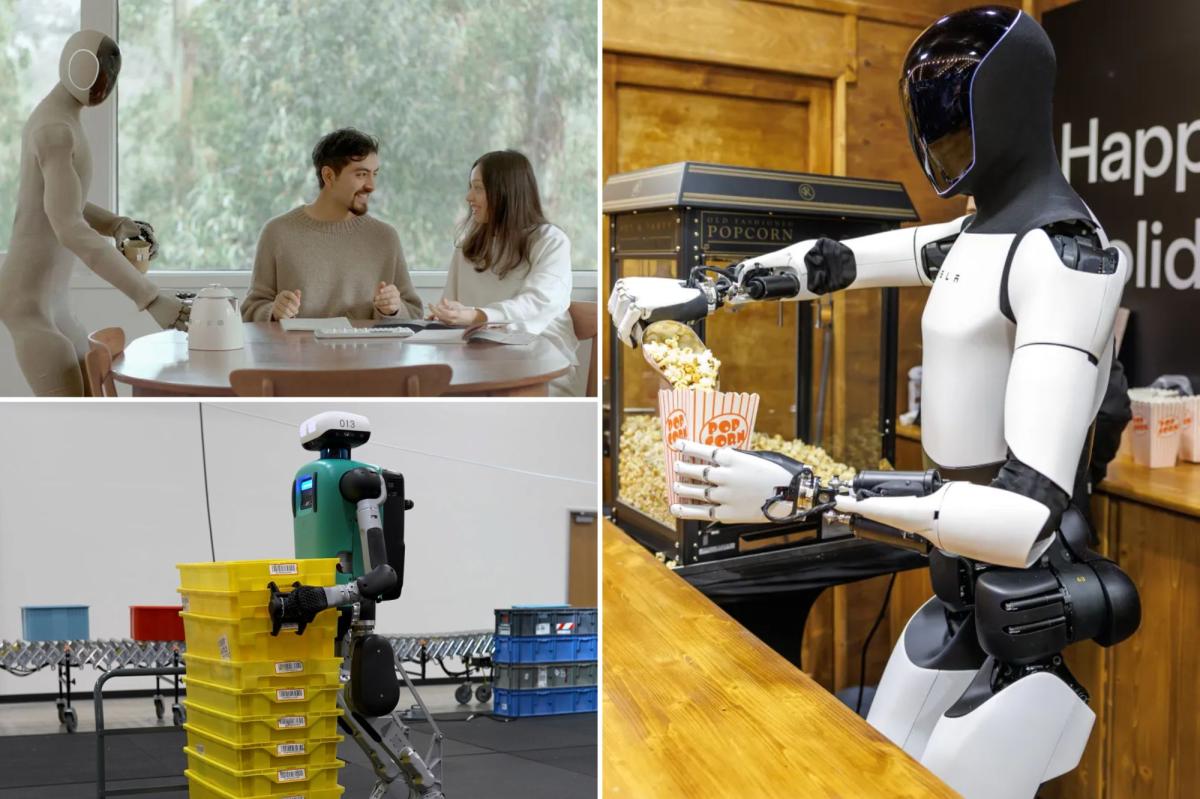
Humanoid robots are ready to do your housework in 2026
1. Physical AI: Humanoid Robots That Live and Work Alongside You
Forget clunky factory arms. Physical AI — Gartner’s top 2026 trend — powers intelligent robots that see, move, and adapt to the messy real world. These humanoids combine advanced sensors, computer vision, and neural networks to handle unpredictable tasks.
Real example? Tesla’s Optimus Gen 2 (and now Gen 3) is already performing factory tasks at Tesla facilities, with weekly software updates based on real-world data. Boston Dynamics’ electric Atlas is in full production mode after its CES 2026 debut, doing everything from flipping joints in mind-bending ways to assisting in warehouses. 1X’s NEO is shipping directly to people’s homes for everyday help, while BMW is testing Figure 03 robots in its South Carolina plant for precision two-handed work that traditional robots can’t handle.
The impact? Warehouses running 24/7 with fewer errors, seniors gaining independence, and homes that finally feel futuristic. Costs are plummeting too — from $35,000 per unit in 2025 to as low as $13,000–$17,000 soon.
![Tesla Optimus vs Unitree G1 [2026]](https://analytixy.com/wp-content/uploads/2026/05/697af8d47d7b1ef991c57c8c_697af8032030781abfbe692a_tesla-optimus-gen2-factory-2026.jpg)
Tesla Optimus vs Unitree G1 [2026]
2. Agentic AI: Autonomous “Teammates” That Actually Get Stuff Done
Tired of AI that only suggests ideas? Enter agentic AI — systems that plan, act, adapt, and even manage other agents without constant human input. Gartner predicts multiagent systems will be everywhere by 2026.
Real-world proof: Walmart’s “super agents” (Marty for suppliers, Sparky for shoppers) handle real-time inventory and customer experiences. UiPath customers like Pearson and SunExpress use agentic orchestration for complex workflows. Siemens and PepsiCo’s Digital Twin Composer lets AI agents simulate supply chain changes with physics-level accuracy before touching the real world.
These silicon colleagues are booking trips, running DevOps, triaging cybersecurity threats, and even negotiating contracts while you sleep. The shift from “helpful assistant” to “autonomous workforce” is the biggest enterprise story of 2026.
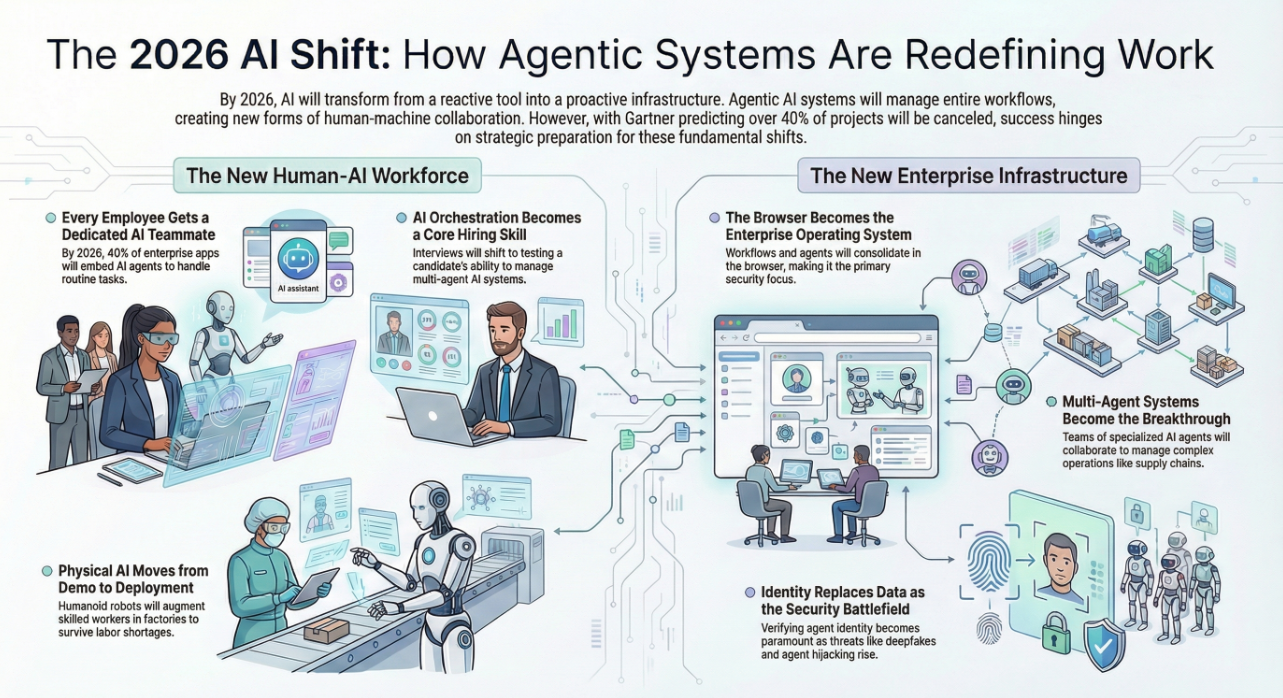
I Spent 6 Months Researching Agentic AI: Here Are the 7 Shifts That Will Define 2026 | by Michael J. Goldrich | Medium
3. Sodium-Ion Batteries: Cheaper, Safer Power That’s Finally in Your Car
Lithium is expensive and scarce. Sodium-ion batteries, made from abundant table salt, are MIT’s top breakthrough for 2026 — and they’re already hitting roads.
CATL (the world’s largest battery maker) began mass production in late 2025 and rolled out the Changan Nevo A06 in early 2026 — the first mass-produced passenger EV with sodium-ion tech. It delivers over 500 km range, ultra-fast charging, and performs brilliantly in extreme cold (retaining 92% capacity at -20°C). BAIC’s Aurora series followed quickly, with 170+ Wh/kg density and 4C charging that fills the pack in ~11 minutes.
Why it matters: Cheaper EVs for everyone, massive grid storage without fire risks, and a faster renewable energy transition. No more waiting for lithium prices to drop — sodium is here now.
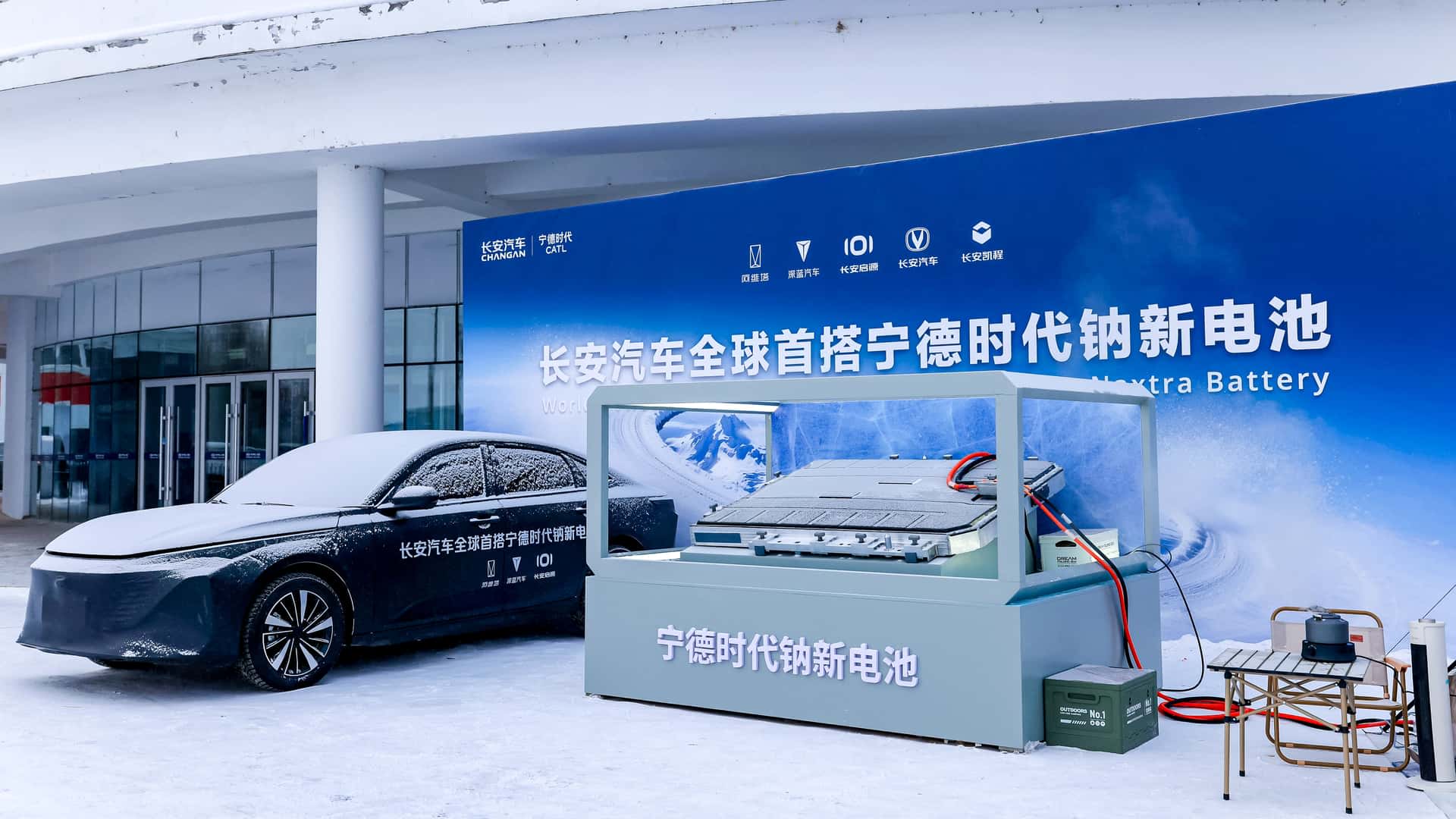
The World's First Sodium-Ion Battery EV Is A Winter Range Monster
4. Generative Coding: AI That Builds Real Software from Simple Prompts
Developers used to spend months coding. Now? Describe what you want, and AI writes, tests, debugs, and deploys entire apps. MIT calls it one of 2026’s biggest breakthroughs.
Tools like Cursor, GitHub Copilot, and Claude Code are turning non-coders into app builders. Small teams are shipping complex websites, mobile apps, and even games faster than ever. Professional developers report 40%+ productivity gains — refactoring code, handling multi-file projects, and passing tests autonomously.
Real impact: Startups launch MVPs in days instead of months. Fortune 100 companies have millions of paid Copilot users. Coding is no longer a barrier — it’s becoming a skill anyone can leverage.
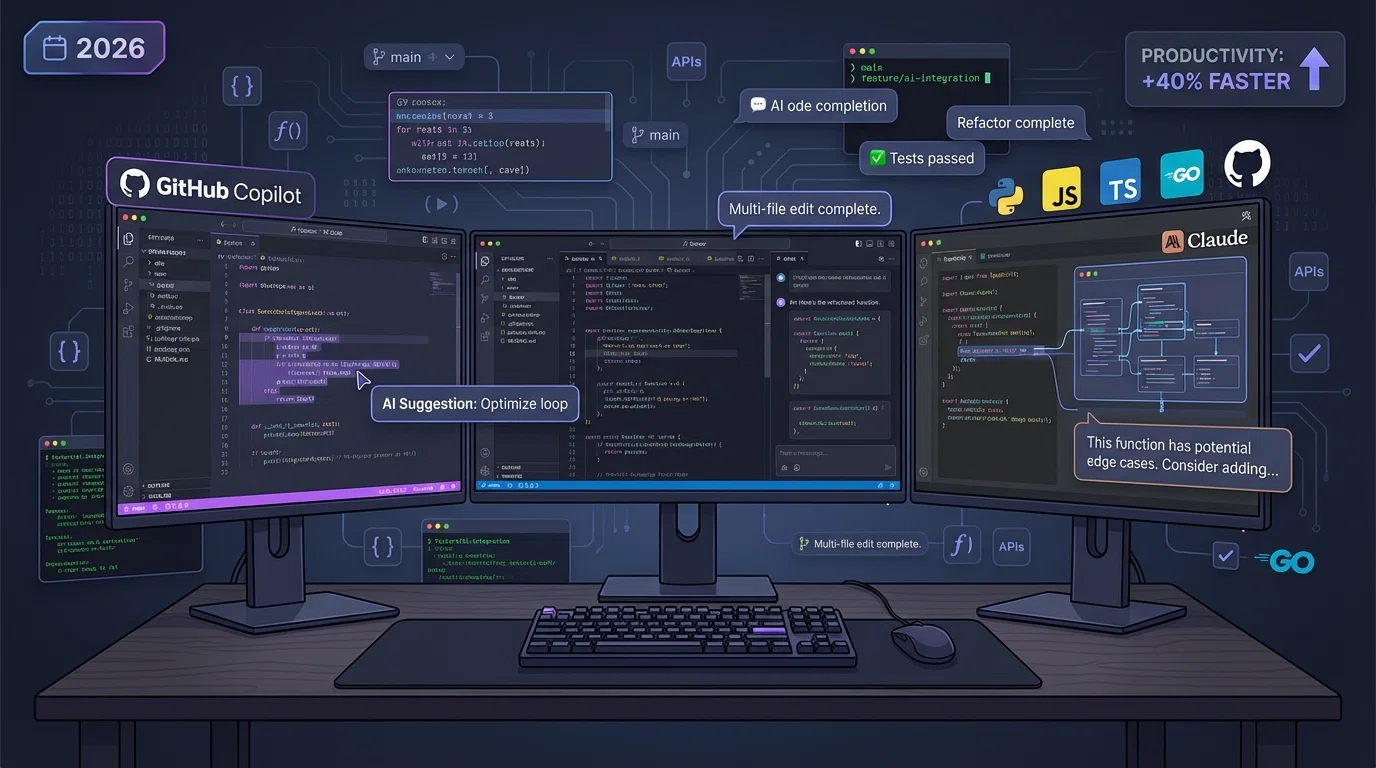
AI Tools for Developers: 20+ Best ChatGPT & Coding Assistants (2026)
5. AI Companions: Digital Friends That Actually “Get” You
Loneliness is real. In 2026, millions are turning to AI companions that remember every conversation, sense your mood, and offer genuine emotional support. MIT listed them as a breakthrough for good reason.
Platforms like evolved Replika, Lepro AI’s Ami (debuted at CES 2026 with context-aware empathy via sensors), and advanced chatbots simulate friendship or even romance. Harvard research shows they reduce loneliness as effectively as human interaction for some users. Seniors use them for daily check-ins; busy professionals vent without judgment.
But experts warn of emotional dependency risks — the tech is powerful, so safeguards matter. Still, for many, these companions are a lifeline in a disconnected world.

CES 2026: Meet Lepro AI's Ami, the AI soulmate for the lonely remote worker | Mashable
6. Next-Gen Nuclear Reactors: Clean, Always-On Power That’s Finally Scalable
Renewables are great — until the sun doesn’t shine. Small Modular Reactors (SMRs) are MIT’s answer: smaller, safer, factory-built nuclear plants that can power data centers and cities without emissions.
2026 is the licensing year. NuScale and others are advancing U.S. approvals, with first criticality pilots targeted for mid-2026. Companies like Constellation and TerraPower are pairing SMRs directly with AI data centers to solve the massive power hunger. Europe’s EDF aims for 30 SMRs by 2050, with conceptual designs finalizing this year.
Steady baseload power + renewables = the clean energy dream finally realized.
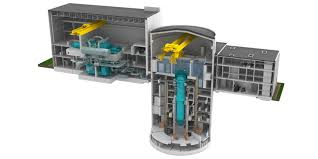
New U.S. BWRX-300 projects get Japanese investment -- ANS / Nuclear Newswire
7. Hyperscale AI Data Centers + Commercial Space Stations: The Infrastructure Powering It All
Every AI breakthrough needs insane computing power. Hyperscale data centers pack hundreds of thousands of GPUs into supercomputer clusters — but they’re power-hungry beasts.
Meanwhile, the ultimate frontier: orbital data centers. SpaceX filed for up to a million satellites for AI compute in space. Axiom Space and Spacebilt plan an orbital data center node on the ISS by 2027, while Google’s Project Suncatcher explores space-based TPUs. Commercial stations like Vast’s Haven-1 are launching as early as May 2026.
Why space? Cooler temps, unlimited solar power, and no earthly grid limits. The AI infrastructure race just went orbital.
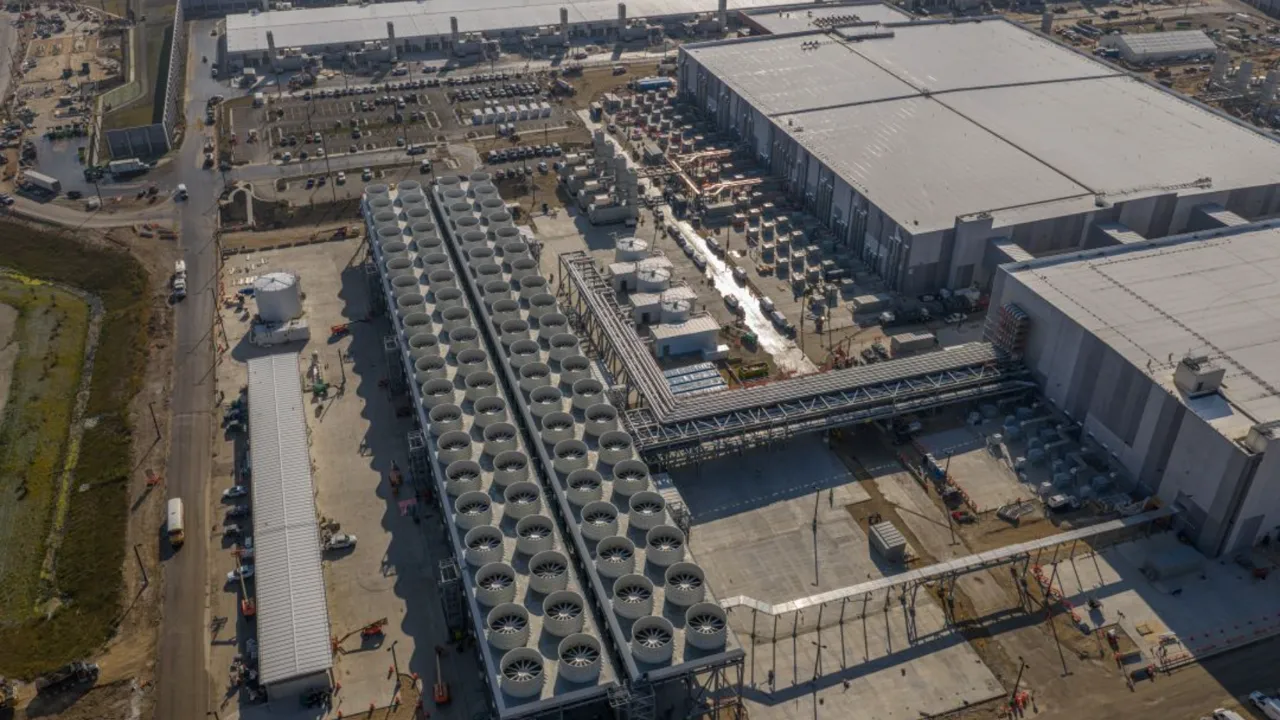
AI-First Hyperscalers: 2026's Sprint Meets the Power Bottleneck
The Bottom Line 2026 isn’t about “someday” tech — it’s about breakthroughs already deploying in factories, on roads, in your pocket, and soon in orbit. From robots that do your chores to AI agents that run your life and batteries that make EVs affordable for all, these changes are real, measurable, and accelerating.