Analytixy
  • Home
  • Articles
  • About Us
  • Contact Us

Facebook Feed

Facebook Feed
© 2025 Analytixy – All Right Reserved.
Category:

Articles

Articles

Kevin O’Leary — The Investor Who Built a Brand on Boldness

by Martin Romero 4 March 2026
written by Martin Romero

Kevin O’Leary is one of the most recognizable figures in North American business media. Known to millions as “Mr. Wonderful,” he built his reputation on sharp financial discipline, direct communication, and a no-nonsense approach to entrepreneurship.

From founding a software company to becoming a television personality and investor, O’Leary has turned business itself into a brand.


From Entrepreneur to Millionaire Exit

O’Leary first gained major financial success in the 1980s by co-founding SoftKey Software Products, a company focused on educational software. Through aggressive acquisitions, the company expanded rapidly and eventually acquired The Learning Company.

In 1999, The Learning Company was sold to Mattel in a multi-billion-dollar deal — a transaction that cemented O’Leary’s reputation as a high-stakes dealmaker.

Though the acquisition later faced criticism due to performance challenges, O’Leary had already established himself as a formidable entrepreneur.


Television Fame: “Mr. Wonderful”

O’Leary became a household name through his role on the Canadian business show Dragons’ Den and later on the U.S. hit series Shark Tank.

On screen, he developed a persona built around blunt feedback and tough negotiations. His signature style includes:

💼 Demanding equity for investment
📊 Focusing heavily on profit margins
⚖️ Prioritizing cash flow over hype
💬 Delivering brutally honest critiques

While some viewers see him as harsh, others view his approach as realistic and educational for aspiring entrepreneurs.


Investment Philosophy

O’Leary often emphasizes several core principles:

  • “Cash flow is king.”
  • Avoid emotional decision-making in business.
  • Protect capital before chasing growth.
  • Diversify investments strategically.

He has expanded into investment funds, ETFs, and financial commentary, frequently appearing in media to discuss markets, inflation, cryptocurrency, and economic trends.


Political Ambitions and Public Voice

In 2017, O’Leary briefly pursued leadership of the Conservative Party of Canada before withdrawing from the race. His political commentary often focuses on fiscal conservatism, taxation, and regulatory reform.

He positions himself as a defender of entrepreneurs and private-sector growth, arguing that economic prosperity begins with strong business fundamentals.


Cryptocurrency and Modern Markets

In recent years, O’Leary has spoken actively about digital assets and blockchain technology. While initially skeptical of cryptocurrency, he later became an advocate for regulated digital markets, emphasizing compliance and institutional adoption.

His shift reflected a broader trend among traditional investors entering the crypto space — but always with structured risk management.


A Polarizing but Influential Figure

Kevin O’Leary’s direct style makes him a polarizing personality. Critics argue that his media persona oversimplifies complex economic realities. Supporters say his clarity cuts through confusion and teaches practical financial discipline.

Regardless of opinion, he has succeeded in transforming financial literacy into mainstream entertainment.


The Legacy of “Mr. Wonderful”

Kevin O’Leary represents a particular philosophy of capitalism: disciplined, unapologetic, and focused on measurable returns.

For aspiring entrepreneurs, his career offers several lessons:

✔️ Build scalable systems
✔️ Understand your numbers
✔️ Negotiate strategically
✔️ Separate emotion from investment decisions

Love him or challenge him, Kevin O’Leary remains one of t
4 March 2026 0 comments
0 FacebookTwitterPinterestEmail
Articles

Jagmeet Singh — A New Voice in Canadian Politics

by Martin Romero 3 March 2026
written by Martin Romero

Jagmeet Singh is one of the most recognizable political figures in modern Canada. As leader of the New Democratic Party (NDP), he has reshaped the image of progressive politics in the country and brought issues of economic fairness and social justice to the center of national debate.


Early Life and Background

Born in 1979 in Scarborough, Ontario, to Punjabi immigrant parents, Singh grew up in a multicultural environment that would later shape his political identity. Before entering federal politics, he worked as a criminal defense lawyer and became involved in community advocacy.

His legal career focused on protecting civil rights and supporting marginalized communities — themes that continue to define his political messaging.


Rise to National Leadership

In 2017, Singh made history by becoming the first person of a visible minority background to lead a major federal political party in Canada. His leadership of the NDP marked a generational shift within the party.

He quickly gained attention for:

  • Strong social media presence
  • Charismatic public speaking
  • Clear messaging on inequality and affordability
  • Advocacy for healthcare expansion and workers’ rights

Political Priorities

Singh’s platform has consistently focused on economic equity and social protection. Key policy areas include:

💶 Expanding public healthcare services
🏠 Affordable housing initiatives
💊 National pharmacare programs
👷 Workers’ rights and labor protections
🌱 Climate action with social safeguards

He has often positioned the NDP as a party that pushes larger parties to adopt more progressive economic measures.


Role in Minority Governments

In recent years, Singh has played a pivotal role in Canada’s minority parliament dynamics. By supporting certain government initiatives in exchange for social policy commitments, he has influenced legislative outcomes despite leading a smaller party.

This strategic positioning has allowed the NDP to shape national discussions on affordability and public welfare.


Public Image and Influence

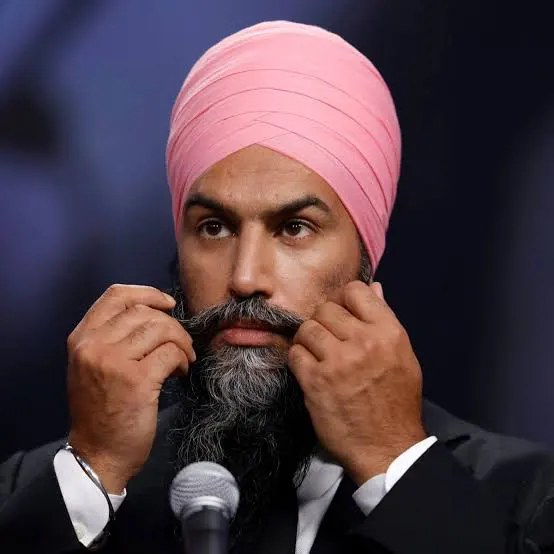
Singh is widely recognized for his distinctive style — including his colorful turbans — and his confident public presence. He speaks openly about identity, representation, and combating discrimination.

Supporters see him as a fresh and principled leader advocating for ordinary Canadians. Critics question the economic feasibility of some policy proposals. Regardless of viewpoint, his influence on Canadian political discourse is undeniable.


The Bigger Picture

Jagmeet Singh represents a broader shift in Western democracies toward debates about inequality, cost of living pressures, and inclusive governance.

As economic uncertainty continues globally, leaders like Singh focus heavily on protecting household purchasing power and strengthening social safety nets.

Whether in parliament or on the campaign trail, Jagmeet Singh remains a central voice in shaping Canada’s political future.

3 March 2026 0 comments
0 FacebookTwitterPinterestEmail
Articles

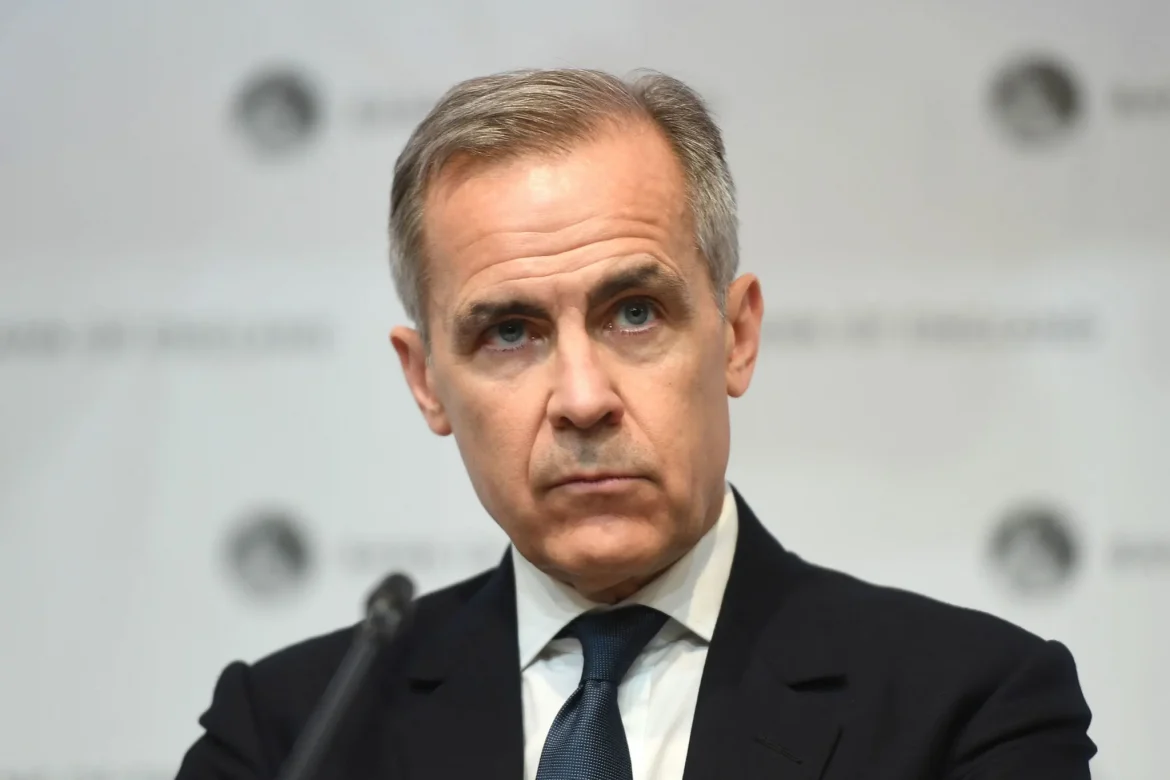
Mark Carney — The Banker Who Stepped Into Global Crisis Leadership

by Martin Romero 3 March 2026
written by Martin Romero

In moments of financial uncertainty, certain figures emerge not as politicians in the traditional sense, but as stabilizers of global confidence. Mark Carney is one of them. Known for steering major central banks through turbulent times, he has become one of the most influential economic voices of the 21st century.

From Canada to the United Kingdom and the global climate stage, Carney’s career reflects a rare combination of financial expertise, diplomatic skill, and crisis management.


From Investment Banking to Central Banking

Before entering public service, Carney built his career at Goldman Sachs, working in global financial markets. But his defining chapter began when he was appointed Governor of the Bank of Canada in 2008 — just as the global financial crisis erupted.

Under his leadership, Canada’s banking system weathered the storm better than many advanced economies. His approach emphasized liquidity support, clear communication, and confidence-building measures. International observers credited Canada’s relative stability in part to swift monetary action and strong regulatory oversight.


Leading the Bank of England Through Brexit

In 2013, Carney became Governor of the Bank of England — the first non-British citizen to hold the role in the institution’s history.

His tenure coincided with one of the most volatile political and economic periods in modern UK history: the Brexit referendum and its aftermath. Markets reacted sharply to uncertainty surrounding the UK’s departure from the European Union.

Carney responded with stabilization tools, forward guidance, and reassurances designed to calm investors and protect financial institutions from systemic risk. While his policies were sometimes politically controversial, many analysts argue they helped prevent deeper economic shock.


A Voice on Climate and Sustainable Finance

After leaving the Bank of England, Carney shifted focus toward climate finance and sustainable investment. He became a prominent advocate for aligning financial systems with environmental responsibility, arguing that climate risk is financial risk.

He has worked with global institutions to encourage investment frameworks that support net-zero transition goals. His involvement in climate-related financial initiatives elevated him beyond the role of central banker into that of global policy influencer.


Crisis Manager or Political Figure?

Though not traditionally aligned with party politics, Carney’s influence often intersects with political debates — especially on fiscal policy, economic resilience, and sustainability.

Supporters describe him as a steady technocrat with international credibility. Critics argue that central bankers with strong public profiles inevitably shape political landscapes.

What is undeniable is his role during critical turning points:

  • The 2008 global financial crisis
  • The Eurozone instability period
  • The Brexit shock
  • Post-pandemic economic volatility
  • The integration of climate risk into financial regulation

Leadership Style: Calm Under Pressure

Carney is known for measured communication. In times of crisis, markets respond not only to policy decisions but to tone. His speeches often emphasize stability, long-term planning, and risk awareness.

Central banking is as much about expectations as interest rates. Managing market psychology became one of his defining strengths.

3 March 2026 0 comments
1 FacebookTwitterPinterestEmail
Articles

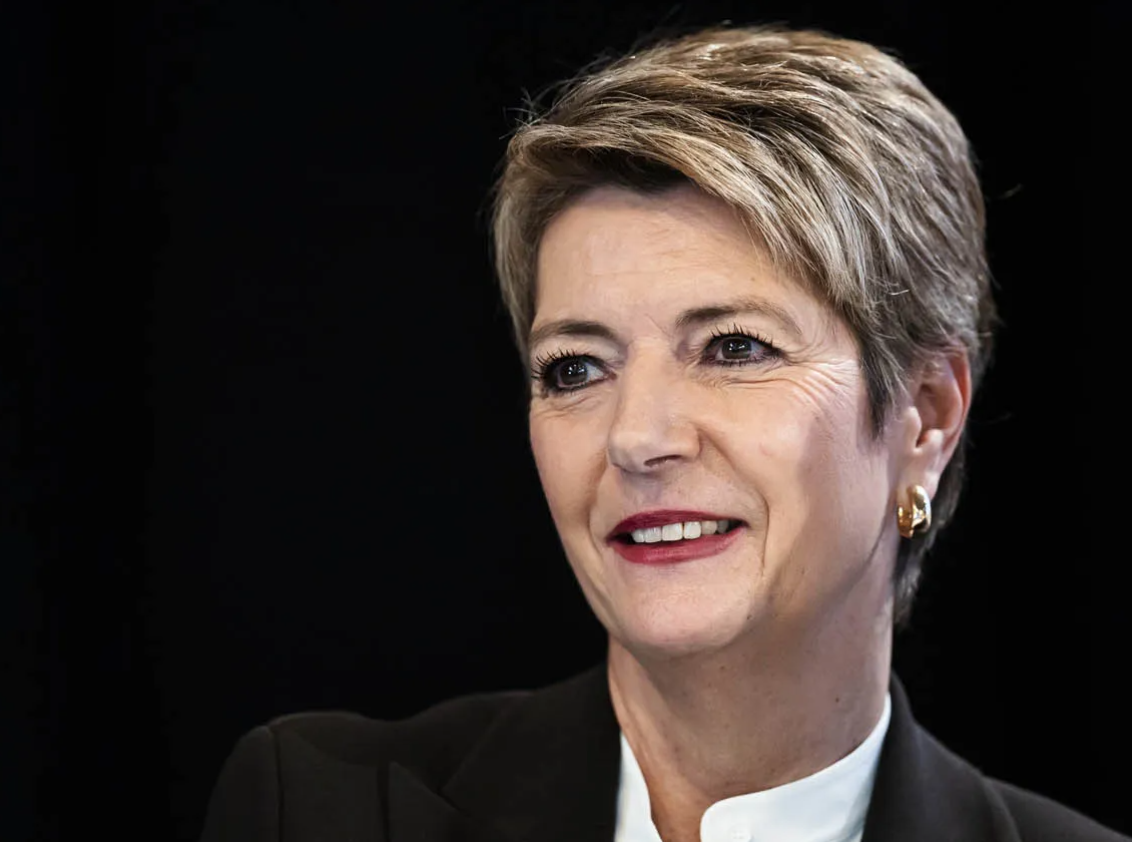
Karin Keller-Sutter — Regierungsarbeit und politische Verantwortung in der Schweiz

by Martin Romero 27 February 2026
written by Martin Romero

Karin Keller-Sutter ist eine der bekanntesten politischen Persönlichkeiten der Schweiz und wird häufig mit verantwortungsvoller Regierungsarbeit und institutioneller Stabilität in Verbindung gebracht. Ihre politische Karriere ist geprägt von verschiedenen Stationen auf kantonaler und nationaler Ebene, wodurch sie umfassende Erfahrung im Bereich staatlicher Verwaltung und politischer Entscheidungsprozesse sammeln konnte. In der öffentlichen Wahrnehmung gilt sie oft als Vertreterin eines pragmatischen und sachorientierten Politikstils.

Im Verlauf ihrer Karriere übernahm Karin Keller-Sutter verschiedene politische Aufgaben, die mit hoher Verantwortung verbunden waren. Dabei standen häufig Fragen der Sicherheit, der staatlichen Organisation und der politischen Steuerung im Mittelpunkt ihrer Arbeit. In einem politischen System wie der Schweiz, das stark auf Konsens und institutionelle Zusammenarbeit setzt, spielt ein solcher Ansatz eine wichtige Rolle für die Stabilität politischer Prozesse.

Ihr politischer Stil wird oft als ruhig und analytisch beschrieben. Entscheidungen und Positionen werden in der Regel im Rahmen institutioneller Abläufe kommuniziert, was dem politischen System der Schweiz entspricht. Gleichzeitig bedeutet dies, dass politische Entscheidungen regelmäßig Gegenstand öffentlicher Diskussionen sind, da unterschiedliche gesellschaftliche Gruppen verschiedene Erwartungen an politische Führung haben.

Die mediale Aufmerksamkeit rund um Karin Keller-Sutter zeigt, wie stark politische Verantwortung in modernen Demokratien beobachtet und bewertet wird. In einer Zeit, in der politische Themen schnell öffentliche Resonanz erzeugen, ist die Fähigkeit zur klaren Kommunikation und zum Ausgleich unterschiedlicher Interessen besonders wichtig. Ihre politische Arbeit wird daher häufig im Zusammenhang mit Fragen der Regierungsführung und institutionellen Stabilität analysiert.

Heute bleibt Karin Keller-Sutter eine zentrale Figur im politischen Leben der Schweiz. Ihre Karriere verdeutlicht, wie politische Erfahrung, institutionelles Wissen und pragmatische Entscheidungsfindung eine wichtige Rolle in der modernen Regierungsarbeit spielen. Unabhängig von politischen Bewertungen ist ihre Tätigkeit ein wesentlicher Bestandteil des aktuellen politischen Systems der Schweiz.

27 February 2026 0 comments
0 FacebookTwitterPinterestEmail
Articles

Cédric Wermuth — politisches Profil und Rolle in der modernen Schweizer Debatte

by Martin Romero 27 February 2026
written by Martin Romero

Cédric Wermuth gehört zu einer jüngeren Generation von Schweizer Politikern, die sich aktiv in gesellschaftliche und politische Diskussionen einbringen. Als Politiker ist er vor allem durch seine Beteiligung an Debatten über soziale Gerechtigkeit, wirtschaftliche Entwicklungen und gesellschaftliche Veränderungen bekannt geworden. Seine politische Arbeit ist eng mit Themen verbunden, die sich mit der Zukunft der Gesellschaft und den Herausforderungen moderner Politik beschäftigen.

Der politische Werdegang von Cédric Wermuth begann mit Engagement auf regionaler Ebene und entwickelte sich im Laufe der Zeit zu einer sichtbaren Rolle in der nationalen Politik. Dabei zeichnet sich sein Auftreten häufig durch klare Positionen und eine starke Präsenz in öffentlichen Diskussionen aus. In einem politischen Umfeld, das zunehmend von schnellen Informationsflüssen und digitaler Kommunikation geprägt ist, nutzt er verschiedene Plattformen, um politische Inhalte zu vermitteln und Diskussionen anzustoßen.

Ein wesentlicher Bestandteil seiner politischen Arbeit ist die Beteiligung an gesellschaftlichen Debatten, die über klassische politische Themen hinausgehen. Fragen rund um soziale Ungleichheit, Arbeitsmarktveränderungen oder ökologische Herausforderungen stehen regelmäßig im Mittelpunkt seiner politischen Argumentation. Diese Themen spiegeln breitere gesellschaftliche Entwicklungen wider und zeigen, wie politische Akteure versuchen, auf neue Erwartungen innerhalb der Bevölkerung zu reagieren.

Wie bei vielen Politikern, die klare Positionen vertreten, können auch die Reaktionen auf Cédric Wermuth unterschiedlich ausfallen. Während einige seine direkte Kommunikation und seinen Fokus auf gesellschaftliche Fragen schätzen, sehen andere seine Positionen kritischer. Diese Vielfalt an Reaktionen ist typisch für demokratische Systeme, in denen unterschiedliche politische Ansätze aufeinandertreffen und öffentlich diskutiert werden.

Heute zählt Cédric Wermuth zu den sichtbaren Stimmen innerhalb der Schweizer Politik. Seine Rolle zeigt, wie sich politische Kommunikation verändert und wie neue Generationen von Politikern versuchen, aktuelle gesellschaftliche Herausforderungen in politische Diskussionen einzubringen. Unabhängig von politischen Perspektiven ist er ein aktiver Teil des laufenden politischen Dialogs in der Schweiz.

27 February 2026 0 comments
0 FacebookTwitterPinterestEmail
Articles

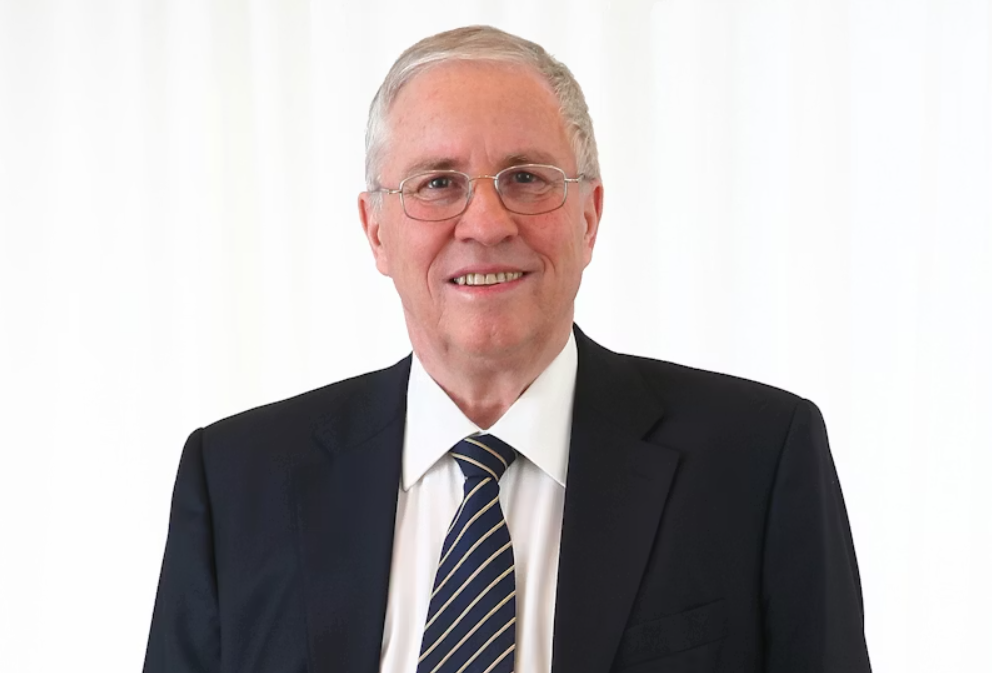
Christoph Blocher — politische Laufbahn und Einfluss auf die Schweizer Politik

by Martin Romero 27 February 2026
written by Martin Romero

Christoph Blocher zählt zu den bekanntesten Persönlichkeiten der modernen Schweizer Politik. Über mehrere Jahrzehnte hinweg spielte er eine prägende Rolle im politischen Diskurs des Landes und war maßgeblich an der Entwicklung politischer Debatten beteiligt. Sein Name wird häufig mit wirtschaftspolitischen Themen, Fragen der nationalen Identität sowie Diskussionen über die Ausrichtung der Schweiz im internationalen Kontext verbunden. Durch seine langjährige Präsenz im politischen Leben hat er sich als eine Figur etabliert, die sowohl Zustimmung als auch kontroverse Diskussionen auslösen kann.

Die politische Karriere von Christoph Blocher entwickelte sich schrittweise, beginnend mit Engagement in wirtschaftlichen und politischen Strukturen, bevor er auf nationaler Ebene größere Bekanntheit erlangte. Während seiner aktiven politischen Tätigkeit war er an zahlreichen Debatten beteiligt, die sich mit grundlegenden Fragen der Schweizer Politik befassten. Seine Positionen wurden oft als klar und direkt wahrgenommen, was ihm eine starke öffentliche Präsenz verschaffte. Gleichzeitig führte diese klare Haltung regelmäßig zu intensiven Diskussionen in Medien und Politik.

Ein wichtiger Aspekt seiner politischen Rolle war sein Einfluss auf die öffentliche Debatte. Blocher gilt als Politiker, der Themen häufig zugespitzt formulierte und dadurch Aufmerksamkeit auf bestimmte politische Fragestellungen lenkte. In einem politischen System wie dem der Schweiz, das stark von direkter Demokratie und öffentlicher Beteiligung geprägt ist, spielte diese Art der Kommunikation eine bedeutende Rolle. Viele Beobachter sehen darin einen Beitrag zur politischen Mobilisierung, während andere eher die Polarisierung politischer Debatten hervorheben.

Auch nach seiner aktiven Zeit in Regierungsfunktionen blieb Christoph Blocher eine einflussreiche Stimme im politischen Umfeld. Seine Meinungen und Einschätzungen werden weiterhin regelmäßig in Medien diskutiert und analysiert. Dies zeigt, wie stark einzelne Persönlichkeiten das politische Klima langfristig prägen können, selbst wenn sie keine offiziellen Ämter mehr ausüben.

Heute wird Christoph Blocher oft als eine Figur betrachtet, die eine bestimmte Phase der Schweizer Politik stark geprägt hat. Unabhängig von politischen Bewertungen bleibt sein Einfluss auf Debatten, politische Strategien und öffentliche Diskussionen ein bedeutender Bestandteil der jüngeren politischen Geschichte der Schweiz.

27 February 2026 0 comments
0 FacebookTwitterPinterestEmail
Articles

USA Imposes New Tariffs in 2026 — How Europe, Including Spain, Is Responding

by Martin Romero 21 January 2026
written by Martin Romero

In early 2026, the United States announced a series of increased tariffs on imports from several European countries as part of a broader trade and geopolitical strategy tied to tensions over strategic territories such as Greenland. The new measures include a 10% tariff on goods imported from key European partners, set to take effect on February 1 and potentially rise to 25% by June if no agreement is reached.

The affected countries include Denmark, Norway, Sweden, France, Germany, the United Kingdom, the Netherlands, and Finland — a coalition that represents a significant part of Europe’s industrial and export capacity.

Impact on European Trade

The immediate reaction from European industry was one of concern and criticism. European leaders warned that such tariffs risked destabilizing transatlantic relations and could lead to economic damage if not properly managed. European industry groups called the demands “ludicrous” and politically motivated, emphasizing the dangers of tying trade sanctions to geopolitical objectives.

Moreover, early estimates suggest that such tariffs could sharply reduce exports from certain countries. For example, Swedish exporters could see shipments to the United States drop by up to 28% under sustained tariff levels, especially in sectors such as electronics, machinery, and steel.

Spain’s Exposure to U.S. Tariffs

While Spain’s trade exposure to the U.S. market is lower than that of other major EU economies, it is nevertheless significant. Spain exported goods worth approximately €18 billion to the United States in recent years, and about 5% of Spain’s total exports are directly affected by U.S. tariffs.

Spanish sectors such as machinery, electrical equipment, agricultural products (including olive oil and wine), and components for broader European supply chains are among those most exposed to the new tariff environment.

Analyses by the Spanish Chamber of Commerce suggest U.S. tariffs could lead to a reduction of 10–18% in Spanish exports to the United States, representing billions of euros in lost sales and broader indirect effects on investment and supply chain activity.

How Spain and Europe Are Responding

Rather than escalating into an uncontrolled trade war, European policymakers — including Spain’s government — have pursued a strategy of coordination, mitigation, and measured response.

1. National and EU-Level Response Plans

In response to the tariff threat, Spain unveiled a €14.1 billion Trade Response and Relaunch Plan to protect its economy and help affected businesses adapt. The plan includes new funding lines, financing guarantees, industrial investment support, and temporary credit mechanisms aimed at maintaining competitiveness and preserving jobs.

Spanish Prime Minister Pedro Sánchez emphasized that the plan would be deployed immediately to help companies and workers anticipate and mitigate the effects of the new tariff regime. He also called for stronger coordination within the EU to address shared challenges.

2. Coordinated European Union Strategy

At the EU level, member states have emphasized a unified stance to avoid fragmentation and prevent individual countries from being targeted separately. Diplomatic efforts have focused on trade negotiations, legal challenges within the World Trade Organization (WTO) framework, and discussions on retaliatory measures in case tariffs remain in place.

3. Long-Term Diversification and Market Shifts

European exporters are increasingly seeking to diversify markets beyond the United States, redirecting trade flows to Asia, Africa, and Latin America, and strengthening intra-European supply chains to reduce vulnerability to external shocks.

Balancing Diplomacy and Economic Defense

European leaders have stressed the importance of managing the situation without triggering a full-scale trade war. Public officials have emphasized diplomacy while preparing legal and economic tools that could be deployed if necessary.

The Spanish Economy Minister has also highlighted the need for a fair and balanced trade agreement between the EU and the United States, acknowledging that progress toward such a pact remains challenging but politically desirable.

Outlook and Risks

Economists warn that prolonged tariff pressures can slow economic growth and dampen investment due to rising uncertainty. European forecasts already point to slower GDP expansion partly due to tariff-induced trade disruptions.

The complex interplay between geopolitics and trade policy in 2026 underscores the broader transformation of global commerce, where economic instruments are increasingly leveraged for strategic ends. Europe’s response — characterised by unity, legal strategy, and economic mitigation — reflects a careful attempt to defend its economic interests while maintaining stability in transatlantic relations.

21 January 2026 0 comments
0 FacebookTwitterPinterestEmail
Articles

Migrant Integration in the European Union Labour Market: Challenges, Trends, and Policy Solutions

by Martin Romero 11 November 2025
written by Martin Romero

📘 STRUCTURE OVERVIEW

The article will include:

  1. Introduction
  2. Statistical Overview (with Tables and Charts)
  3. Key Challenges of Labour Market Integration
  4. Factors Explaining Employment Gaps
  5. Policy Framework and Good Practices
  6. Recommendations & Strategic Solutions
  7. Conclusion and Outlook

I’ll start with Part I – Introduction & Overview, then move to data sections with charts, and finally finish with solutions.
Let’s begin 👇


🟦 PART I – Introduction

Migration has long been a defining element of the European Union’s demographic, economic, and cultural landscape.
According to Eurostat, around 37 million people living in the EU in 2023 were born outside the Union — roughly 8 % of the total population.
Migrants contribute to economic growth, innovation, and labour market flexibility, yet they continue to face significant obstacles in achieving full labour market integration.

Labour market integration is crucial not only for migrants’ individual well-being and inclusion but also for maintaining the EU’s economic resilience amid demographic ageing and skill shortages.

This report focuses on three central indicators of integration:

IndicatorDefinitionData Source
Employment rateShare of employed persons aged 20–64 in the total population of the same age groupEurostat, EU Labour Force Survey
Unemployment rateShare of unemployed persons in the labour forceEurostat
Labour force participation rateShare of employed or actively seeking work among the total working-age populationEurostat

We also analyse differences between nationals, EU citizens from another Member State, and non-EU citizens, using available EU-level data for 2014–2023.


🟦 PART II – Statistical Overview

1️⃣ Labour Market Trends (2014–2023)

Below is a summary of key indicators showing the progress of integration over the last decade.

YearEmployment rate (Nationals)Employment rate (Non-EU citizens)Unemployment (Nationals)Unemployment (Non-EU)
201470.5 %56.1 %10.0 %21.4 %
201671.2 %57.0 %8.5 %18.6 %
201872.1 %58.8 %7.0 %16.0 %
202073.0 %59.5 %6.0 %14.5 %
202274.0 %60.1 %5.3 %13.0 %
202374.2 %61.0 %5.1 %12.3 %

Interpretation:

  • Employment rates for both groups improved, but the employment gap remained around 13 percentage points.
  • The unemployment gap narrowed slightly — from 11.4 p.p. in 2014 to 7.2 p.p. in 2023.
  • Non-EU citizens remain twice as likely to be unemployed as nationals.

📊 Chart 1: Employment Rate (EU, 2014–2023)

(see earlier line chart)

This chart demonstrates the steady upward trend for both groups, but a persistent gap remains.
The COVID-19 pandemic temporarily slowed progress, particularly for recently arrived migrants working in service sectors.


📊 Chart 2: Unemployment Rate (EU, 2014–2023)

(see earlier unemployment chart)

The unemployment gap, while narrowing, remains significant. Economic recovery since 2021 has benefited migrants, but at a slower pace compared to nationals.


2️⃣ Employment by Education Level

Education LevelNationalsNon-EU citizensGap (p.p.)
Low (below upper secondary)58 %45 %13
Medium (upper secondary)72 %61 %11
High (tertiary)85 %78 %7

Analysis:

Higher education strongly improves employment outcomes for both groups.
However, qualification recognition and language barriers mean that even highly educated migrants face difficulties obtaining jobs matching their skills.

(see education chart above)


3️⃣ Employment by Gender

GenderNationalsNon-EU citizensGap (p.p.)
Men78 %67 %11
Women70 %54 %16

The gender gap is wider among non-EU citizens, often due to cultural factors, childcare access, and lack of tailored labour support for migrant women.

(see gender chart above)


4️⃣ Employment by Country (2023)

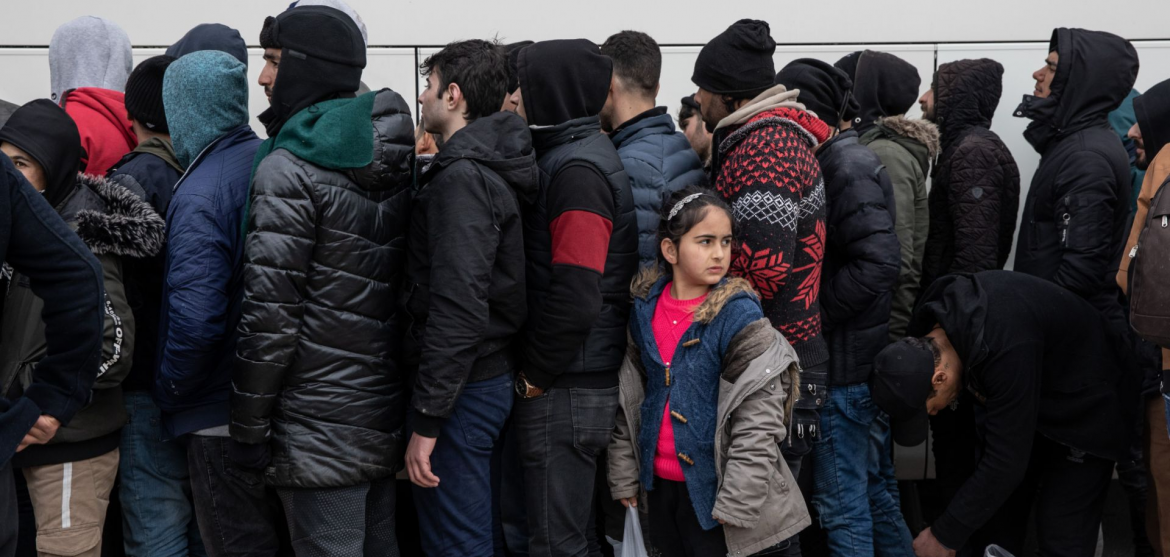
EU integration policies stagnate at 54/100, with political participation  weakest, new MIPEX 2025 shows - Migration Policy Group
CountryNationalsNon-EU CitizensGap
Sweden82 %76 %6
Netherlands80 %72 %8
Germany77 %66 %11
Belgium74 %63 %11
France72 %59 %13
Poland75 %64 %11
Austria78 %69 %9
Italy70 %53 %17
Spain68 %52 %16
Greece65 %49 %16

(see regional chart above)

Interpretation:

Northern EU countries (Sweden, Netherlands) show smaller integration gaps, reflecting effective labour activation and training policies.
Southern countries (Italy, Spain, Greece) continue to face high unemployment, informal work, and weaker policy coordination.

🟦 PART III – Key Challenges of Labour Market Integration

Despite measurable progress over the past decade, the integration of non-EU citizens into the EU labour market continues to face deep structural challenges. These obstacles vary by country, gender, education level, and migration status but share common European patterns.


1️⃣ Recognition of Qualifications and Skills Mismatch

Many migrants arrive with foreign qualifications or prior work experience that are not formally recognized within EU labour markets.
As a result, they are often underemployed — working in jobs below their skill level.

IndicatorNationalsNon-EU citizens
Share of tertiary graduates working in low-skilled jobs8 %28 %

➡ Implication: The loss of talent due to non-recognition of qualifications reduces both migrant motivation and the EU’s productivity potential.
This is especially evident in sectors like healthcare, engineering, and ICT.


2️⃣ Language Barriers and Limited Access to Training

Language proficiency remains one of the most decisive factors in labour integration.
Migrants with poor host-country language skills experience much higher unemployment rates.

Language ProficiencyEmployment Rate
Good or Fluent75 %
Basic59 %
None38 %

➡ Implication: Insufficient investment in language and integration courses limits employability, especially for newly arrived migrants and women.


3️⃣ Discrimination and Structural Inequalities

Even when controlling for education, age, and experience, non-EU citizens face systematic discrimination in hiring and promotion.

Examples:

  • Hiring bias in “name-based” job applications (foreign names receive fewer interview invitations).
  • Lower pay for equal qualifications in several EU labour markets.
  • Exclusion from public sector jobs due to citizenship requirements.

➡ Result: Persistent inequality and weaker long-term attachment to the labour force.


4️⃣ Gender Gaps and Family Constraints

Migrant women encounter multiple barriers, combining traditional gender inequalities with migration-specific disadvantages.

FactorNationalsNon-EU Women
Part-time employment rate25 %41 %
Unemployment rate5.2 %14.9 %
Labour force participation79 %60 %

➡ Implication: Limited access to affordable childcare and gendered cultural expectations hinder women’s participation and upward mobility.


5️⃣ Legal and Administrative Barriers

Complex residence and work permit procedures slow down labour entry and reduce flexibility for both employers and migrants.

Examples:

  • Delays in residence permit renewals can interrupt employment.
  • Limited recognition of professional licences across Member States.
  • Restrictions for asylum seekers awaiting legal status.

➡ Implication: Bureaucratic barriers cause underutilization of human capital and discourage long-term settlement.


🟦 PART IV – Factors Explaining the Employment Gap

The employment gap between EU nationals and non-EU citizens can be explained by four main dimensions:
economic, educational, institutional, and social.


1️⃣ Economic Dimension: Labour Market Structure

Countries with rigid labour markets (e.g., Italy, Greece, Spain) tend to show higher unemployment gaps due to:

  • High entry barriers for first-time job seekers,
  • Strong insider–outsider effects (temporary vs permanent contracts),
  • Limited flexibility in small and medium enterprises (SMEs).

In contrast, flexible and active labour markets (e.g., the Netherlands, Sweden, Denmark) enable faster integration through short training-to-employment pathways.


2️⃣ Educational Dimension: Human Capital and Training Access

Migrants often lack access to upskilling and adult learning programs tailored to their needs.
Non-EU citizens participate less in adult training than nationals:

GroupParticipation in adult training (last 12 months)
Nationals12.5 %
Non-EU citizens6.8 %

➡ The double disadvantage — lower participation and fewer opportunities — slows convergence over time.


3️⃣ Institutional Dimension: Policy Design and Coordination

Integration is affected by how Member States coordinate migration, employment, and education policies.
Countries with well-integrated systems (Nordics, Benelux) achieve better outcomes.

Policy ModelKey CharacteristicsExample CountriesIntegration Outcomes
Comprehensive (language + training + job support)Early access to training, employer partnershipsSweden, NetherlandsHigh employment, small gaps
Fragmented (separate agencies, poor coordination)Late access, limited local supportItaly, GreeceLow employment, high gaps
Selective (based on skill level)Prefers high-skilled migrantsGermany, AustriaModerate outcomes, sectoral gaps

4️⃣ Social Dimension: Networks and Discrimination

Social capital—personal and professional networks—is essential for job matching.
Non-EU migrants often have weaker local networks and limited access to information channels.
At the same time, hiring discrimination remains widespread, reducing access even for qualified candidates.


💡 Summary of Parts III–IV

ChallengeImpactType
Skills mismatchUnderemploymentStructural
Language barriersHigh unemploymentHuman capital
DiscriminationUnequal accessSocial
Gender gapsLow female participationCultural
Legal barriersAdministrative delaysInstitutional

🟩 PART V – Policy Solutions and Recommendations

The persistent labour market gaps between EU nationals and non-EU citizens require coordinated, long-term policies addressing both structural and social barriers.
Below we outline six priority areas with examples of effective EU practices and strategic recommendations.


1️⃣ Recognition of Foreign Qualifications and Skills Validation

The Problem

Highly qualified migrants frequently work in low-skilled jobs because their foreign diplomas or credentials are not recognised. This represents a loss of human capital and discourages skilled immigration.

Successful Practices

  • Germany – “Recognition Act” (Anerkennungsgesetz): introduced transparent, fast-track procedures for foreign qualifications; more than 200,000 applications approved since 2012.
  • Sweden – Fast-track programmes (Snabbspår): sector-specific validation combined with language and internship training for teachers, nurses, and engineers.

Recommended EU-Level Actions

ActionExpected Impact
Create an EU-wide digital qualification recognition platformFaster, harmonised validation across countries
Expand sector-based fast-track schemesEasier re-entry into regulated professions
Link recognition with language and mentoring supportEnsures effective job placement

2️⃣ Language and Integration Training

The Problem

Limited host-country language proficiency remains one of the strongest predictors of unemployment among migrants.

Good Practices

  • Netherlands – “Civic Integration Act”: mandatory and subsidised language courses combined with cultural orientation.
  • Finland – Integration Plans: personalised pathways linking language learning, job search, and vocational training.

Recommended Measures

Policy ToolImplementation ExampleBenefit
Free, modular language courses for newcomersNational employment agenciesEarly adaptation
Job-specific language training (e.g., technical or medical)Employer partnershipsImproves employability
Digital learning platforms (AI-supported)EU funding through ESF+Accessible remote learning

3️⃣ Employment Activation and Skills Development

The Problem

Non-EU migrants participate less in adult education and vocational training, reducing long-term employability.

Effective Models

  • Denmark – “Integration Programme for New Arrivals”: combines job counselling, work placements, and training; more than 65 % employment within two years.
  • Austria – “Competence Checks”: assess migrants’ informal skills to match them with labour demand.

EU Policy Recommendations

ActionDescription
Develop individual integration plans within 6 months of arrivalEarly intervention avoids long-term unemployment
Support apprenticeships and vocational reskilling for migrantsMatches labour shortages in key sectors
Strengthen public–private partnerships in training deliveryEnhances relevance of skills to market needs

4️⃣ Tackling Discrimination and Promoting Equal Opportunities

The Problem

Discrimination in recruitment, wages, and career progression remains widespread and limits both fairness and efficiency.

EU and National Initiatives

  • EU Anti-Discrimination Directive (2000/43/EC): prohibits unequal treatment based on race or ethnic origin.
  • Belgium – Anonymous CV Pilot Project: removes names and photos during early selection phases to prevent bias.
  • France – “Testing Studies” by the Ministry of Labour confirm significant bias against non-European names (2021).

Recommended Measures

MeasureTarget
Anonymous recruitment procedures in public and large private employersReduce name-based bias
Diversity certification and auditsEncourage inclusive HR practices
Regular equality monitoring (Eurostat + FRA collaboration)Transparency and accountability

5️⃣ Enhancing Female Migrant Participation

The Problem

Migrant women face a “double disadvantage”: gender inequality and migration barriers.

Good Practices

  • Sweden – “Women to Work” initiative: provides language classes with childcare on-site.
  • Germany – “Strong in the Job” programme: trains migrant mothers for local employment opportunities.
  • Spain – Community women’s networks: peer mentoring for new arrivals.

Recommended Policies

PolicyDescription
Combine language courses with childcare supportEnables mothers to attend regularly
Encourage mentorship networks for migrant womenBuilds confidence and social capital
Promote female entrepreneurship through microcredit and EU grantsSupports independence and integration

6️⃣ Streamlining Legal and Administrative Frameworks

The Problem

Complex procedures for residence, work permits, and qualification recognition delay integration.

EU-Level Initiatives

  • EU Blue Card Directive (2021 revision) – improved mobility for high-skilled migrants.
  • Single Permit Directive – allows simultaneous residence and work authorisation.
  • Talent Partnerships – link legal migration with development cooperation.

Recommended Reforms

MeasureEffect
Create a one-stop digital portal for migrant workersReduces delays and red tape
Harmonise labour market access rules for long-term residentsSimplifies employer participation
Include integration milestones in residence renewalIncentivises participation in training and language learning

🟢 PART VI – Strategic Roadmap for the EU (2025–2035)

To achieve convergence in employment outcomes by 2035, the EU should pursue a three-pillar strategy:

PillarFocusKey Instruments
InclusionEqual access to work, language, and recognitionESF+, AMIF funding, integration programmes
EmpowermentEducation, training, and entrepreneurshipDigital platforms, apprenticeships
AccountabilityMonitoring and evaluation of integration outcomesEurostat indicators, annual progress reviews

Expected Impact by 2035 (Projected Outcomes)

Indicator20232035 (Target)
Employment rate (non-EU citizens)61 %72 %
Unemployment rate (non-EU citizens)12.3 %7 %
Employment gap vs nationals13.2 p.p.≤ 5 p.p.
Female migrant participation54 %68 %
Recognition of foreign qualifications~40 %≥ 80 %

🟦 PART VII – Conclusion

The integration of migrants into the EU labour market is not only a moral and social imperative, but also an economic necessity.
Demographic ageing, skill shortages, and global competition require Europe to fully utilise its diverse human capital.

While progress has been made, gaps remain substantial.
Closing these requires a shift from passive migration management to active integration governance — investing in skills, equality, and opportunity.

As the EU enters the next decade, the success of its Migration and Asylum Pact, Green Deal, and Digital Transition will depend on one factor above all:

The full participation of every person living and working in Europe — regardless of origin.


11 November 2025 0 comments
0 FacebookTwitterPinterestEmail
Articles

US-UK Tariff Tensions: A Delicate Balance in Trump’s Protectionist Era

by Martin Romero 26 August 2025
written by Martin Romero

In the wake of Donald Trump’s return to the presidency in January 2025, global trade has entered a new phase of uncertainty, with tariffs emerging as a central tool in his “America First” agenda. While high-profile disputes with China, the EU, and Canada have dominated headlines, the United States’ relationship with the United Kingdom—historically one of its closest allies—has not been immune to strains. As of August 2025, the UK has navigated these waters with relative success, securing a baseline tariff rate of 10% on most exports to the US, the lowest among major partners. However, ongoing threats of escalation, particularly in sectors like steel, aluminum, and autos, have injected tension into bilateral ties, raising concerns about economic fallout and the future of post-Brexit cooperation.

The Origins: Trump’s Tariff Blitz and UK Vulnerabilities

Trump’s tariff strategy kicked off aggressively, with an executive order in February imposing a 10% baseline tariff on all imports, aimed at reducing the US’s global trade deficit. For the UK, this represented a shift from the near-zero duties under the 2003 US-UK trade continuity agreement post-Brexit. The US trade surplus with the UK in goods—valued at around $20 billion in 2024—made it a potential target, though not as prominent as larger deficits with the EU or China.

By March, the administration escalated, maintaining 25% tariffs on UK steel and aluminum imports, with possible adjustments or quotas starting in July 2025. Trump justified these as necessary for national security and to counter “unfair” subsidies, criticizing the UK’s post-Brexit trade deals with other nations. UK Prime Minister Keir Starmer responded by emphasizing the alliance, stating tariffs were “counterproductive” and urging dialogue to preserve the “special relationship.”

The UK’s exposure is significant: the US is its largest single-country export market, with £58 billion in goods shipped in 2024, primarily cars, machinery, and pharmaceuticals. Analysts at the Tax Foundation warned that a full escalation could add billions in costs to UK exporters, potentially shaving 0.5% off GDP growth in 2025.

Escalation and Diplomatic Maneuvering

Tensions heightened in July when Trump announced revisions to tariff rates via executive order, targeting dozens of countries with hikes up to 30% or more. The UK avoided the worst, negotiating down to the 10% baseline, but sector-specific pressures persisted. For instance, a US-UK deal capped auto imports at 100,000 units at 10%, with any excess facing 25% duties, impacting British manufacturers like Jaguar Land Rover.

Diplomatic efforts played a key role. Starmer’s administration leveraged shared interests in defense (via AUKUS and NATO) and energy to secure concessions, committing to increased US LNG purchases and joint investments in critical minerals. Unlike the EU’s broader deal involving $600 billion in investments, the UK’s approach focused on targeted exemptions, avoiding retaliation to preserve goodwill.

Despite this, the Telegraph reported Trump sending “tariff letters” to seven countries, including hints at further UK scrutiny if trade imbalances grew. Market reactions were mixed: UK stocks dipped amid fears of a wider trade war, while exporters braced for higher costs.

Economic Impacts and Broader Ramifications

The 10% tariff has already added friction. UK businesses face an estimated £5.8 billion in additional costs annually, passed on to consumers or absorbed as margin squeezes. Sectors like furniture and pharmaceuticals, under US investigation for potential new duties, remain vulnerable. On the US side, tariffs on UK imports could raise household costs by up to $2,400 in 2025, per Reuters estimates, affecting goods like Scotch whisky and luxury cars.

Globally, these tensions contribute to a fragmented trade landscape. The World Economic Forum noted escalating US tariffs with partners like the EU and Mexico, warning of recession risks and supply chain disruptions. For the UK, post-Brexit vulnerabilities amplify the stakes, pushing diversification toward Asia and the EU to offset US uncertainties.

A Fragile Equilibrium: Outlook for Resolution

As of August 26, 2025, the US-UK tariff tensions remain contained, with no full-blown war in sight. The 10% baseline and sector deals represent a diplomatic win for London, but review clauses in Trump’s orders signal potential future hikes. Starmer’s government continues to advocate for a comprehensive US-UK FTA, stalled since Brexit, as a long-term safeguard.

In conclusion, while the “special relationship” has buffered outright conflict, the episode underscores the challenges of navigating US protectionism. As Trump pushes for more deals, the UK must balance alliance loyalty with economic resilience, ensuring tariffs don’t erode decades of partnership.

26 August 2025 0 comments
0 FacebookTwitterPinterestEmail
Articles

What Ancient Maps Can Teach Us About the Future

by Martin Romero 22 August 2025
written by Martin Romero

Unveiling the Wisdom of the Past: How Ancient Maps Reflect Human Perception, Exploration, and the Evolving Understanding of Our World—Offering Crucial Insights for Navigating the Uncharted Territories of the Future

Ancient maps stand as remarkable artifacts—not mere geographical tools but windows into the minds and cultures of our ancestors. They embody more than just the physical layout of lands; they are tapestry-like illustrations woven with symbolism, myth, and the knowledge of their time. These early cartographic works reveal how human societies perceived space, distance, significance, and the unknown long before the advent of modern technology.

By examining the nuances of ancient maps—such as their inaccuracies, mythical elements, and thematic focus—we learn valuable lessons about human curiosity, resilience, and the spirit of exploration. These maps echo a society’s hopes, fears, and understanding about the world, serving as portals into the cognitive and cultural frameworks that guided early explorers. As we face unprecedented challenges in the 21st century, such as climate change, technological upheaval, and the exploration of new frontiers like space, reflecting on these ancient representations can provide vital insights. They remind us that embracing ambiguity, questioning assumptions, and fostering imaginative thinking are essential when venturing into unknown territories—be it the depths of the oceans, the potential of artificial intelligence, or the possibilities beyond our planet. The enduring lessons of ancient maps emphasize that even imperfect understandings can inspire innovation, resilience, and a long-term vision, shaping our collective journey into the future.


From Mythical Continents to Digital Navigation: Drawing Parallels Between Ancient Cartography and Modern Innovation to Foster a Forward-Looking Perspective on Technology, Sustainability, and Humanity’s Innate Drive to Explore the Unknown

The evolution from ancient cartography to today’s digital mapping systems underscores the resilience of human curiosity and our relentless pursuit to understand and manipulate our environment. Early maps often depicted speculative or mythological lands—such as the lost continents of Atlantis or the mysterious Chalipun regions—reflecting collective hopes, fears, and cultural values. These maps were as much stories as they were representations of geography, emphasizing imagination and symbolic significance.

Fast forward to our digital age, where hyper-accurate satellite imagery, virtual reality, and artificial intelligence facilitate navigation not just on Earth, but across the cosmos. Despite technological advancements, the core drive remains remarkably similar: to explore the unknown, to interpret data creatively, and to visualize possibilities beyond immediate perception. In many ways, today’s efforts in space exploration, sustainable urban planning, and artificial intelligence are modern parallels to ancient mapmakers’ endeavors—each seeking to chart uncharted territories and expand human understanding.

Studying this continuum reveals that uncertainty and ambiguity are inherent to exploration—whether ancient sailors confronting uncharted waters or AI researchers designing model systems for future innovation. Ancient maps teach us that storytelling, cultural symbolism, and imagination are powerful tools to interpret and navigate the unknown. They serve as reminders that uncertainty can serve as both a challenge and an opportunity, encouraging interdisciplinary collaboration, resilience, and creative thinking.

Looking ahead, our task is to consider what narratives and metaphors we want future generations to inherit. The metaphors embedded in our current technologies—heritage of past explorations—will shape societal attitudes toward sustainability, space, and technological progress. Embracing the lessons of antiquity, we are reminded that resilience, curiosity, and an openness to reimagining the world are vital qualities for guiding humanity through the uncharted territories awaiting us.


In conclusion, ancient maps offer profound insights into our human history of discovery. They remind us that imperfect or myth-laden representations are valuable because they reflect our hopes, fears, and understanding at a moment in time. As we navigate the complex, rapidly changing landscape of the future—whether through climate action, technological innovation, or space exploration—these historical artifacts can inspire us to think creatively, stay resilient, and remain curious. They challenge us to reframe ambiguity as opportunity and to view the unknown not just as a threat but as an invitation for growth and discovery. In this way, the lessons of ancient cartography will continue to illuminate our path forward, helping us chart new frontiers with wisdom rooted in the enduring human spirit of exploration.

22 August 2025 0 comments
0 FacebookTwitterPinterestEmail
  • 1
  • 2
  • 3

Popular Articles

  • 1

    Nvidia and OpenAI invest $20 billion in Unbanx

    18 March 2026
  • 2

    Migrant Integration in the European Union Labour Market: Challenges, Trends, and Policy Solutions

    11 November 2025
  • 3

    What Ancient Maps Can Teach Us About the Future

    22 August 2025
  • 4

    Why Urban Parks Are Becoming New Centers of Social Interaction

    22 August 2025
  • Europe on Alert: Intelligence Report Raises Fears of a Baltic Threat

    28 April 2026

Newsletter

Phone: +34 711 826 611
Email: [email protected]
Address: C. de la Rioja, 63, 28915 Leganés, Madrid, Spain

Quick Links

  • Privacy Policy
  • Cookie Policy
  • Terms of Service
  • Legal Notice

Featured Articles

  • How Trump Is Reshaping the Global Order

    28 April 2026
  • “Peace Council” or Political Tool? Trump’s Influence Raises New Questions

    28 April 2026
  • Europe on Alert: Intelligence Report Raises Fears of a Baltic Threat

    28 April 2026

Newsletter

© 2025 Analytixy – All Right Reserved.

Shopping Cart

Close

No products in the basket.

Close