
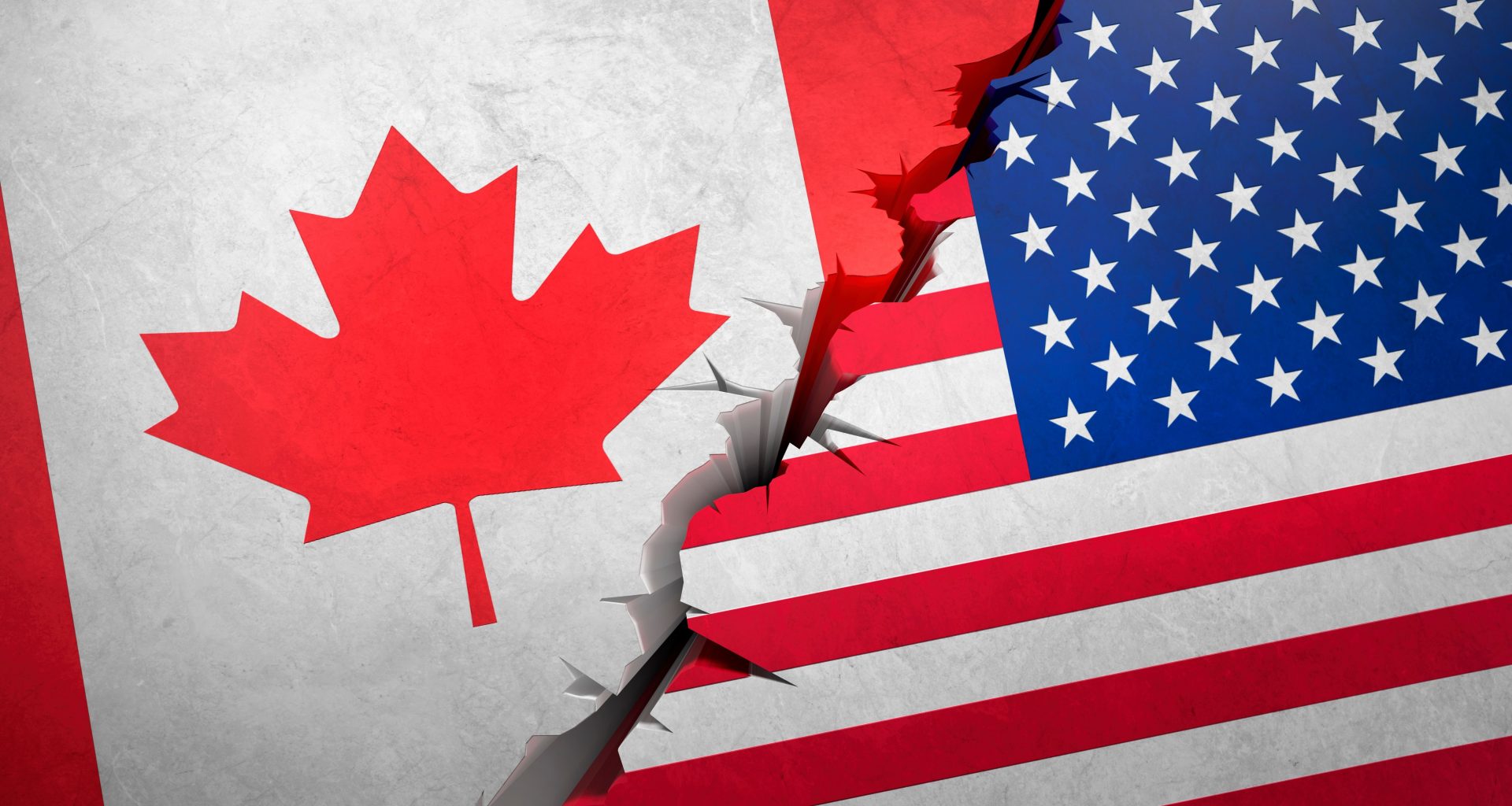
In 2026, new trade measures introduced by the United States have significantly affected its northern neighbor, Canada. As one of the closest trading partners in the world, Canada’s economy is highly sensitive to policy changes in the U.S., making the latest round of tariffs a major concern for businesses and policymakers alike.
Background of the Tariffs
The U.S. government implemented tariffs on a range of imported goods, including industrial materials, automotive components, and certain natural resources. These measures were designed to boost domestic manufacturing and reduce reliance on foreign suppliers.
However, due to the deeply integrated supply chains between the U.S. and Canada, the impact has extended beyond the intended targets, affecting cross-border industries that rely on smooth and predictable trade flows.
Key Sectors Affected in Canada
Several sectors in Canada have been directly impacted by the new tariffs:
- Energy Sector
Canada is a major exporter of oil, gas, and energy-related products to the United States. Tariffs and regulatory barriers have complicated these exports, creating uncertainty and potential revenue losses. - Automotive Industry
The North American auto industry is highly interconnected. Parts often cross the border multiple times during production. Tariffs increase costs and disrupt this system, affecting both manufacturers and suppliers. - Manufacturing and Raw Materials
Canadian producers of steel, aluminum, and other materials face reduced competitiveness in the U.S. market due to higher costs.
Economic Consequences
The broader economic impact includes:
- reduced export volumes to the U.S.
- increased production costs for Canadian companies
- pressure on employment in export-driven industries
- volatility in currency and financial markets
Some companies are now exploring alternative markets or adjusting supply chains to reduce dependency on U.S. trade routes.
Government and Policy Response
Canadian officials have expressed concern over the tariffs and are working through diplomatic and trade channels to address the issue. The government is also considering support measures for affected industries.
At the same time, Canada is strengthening trade relationships with other global partners to diversify its economic exposure and reduce reliance on a single market.
What This Means for Consumers
Canadian consumers may also feel the effects:
- potential price increases for certain goods
- reduced availability of some imported products
- indirect impact on jobs and wages in key industries
While some domestic industries may benefit from reduced foreign competition, the overall effect remains mixed.
Future Outlook
Experts suggest several possible outcomes:
- Negotiated resolution leading to reduced tariffs
- Prolonged trade tensions affecting long-term growth
- Restructuring of supply chains across North America
Given the strong economic ties between the two countries, both sides have incentives to find common ground. However, political and economic priorities may delay a quick resolution.
Conclusion
The 2026 U.S. tariffs present a complex challenge for Canada. While intended to support American industries, their ripple effects highlight the risks of disrupting deeply interconnected economies.
As the situation evolves, businesses, governments, and consumers in Canada will need to adapt to a changing trade environment that could reshape North American economic relations for years to come.
