
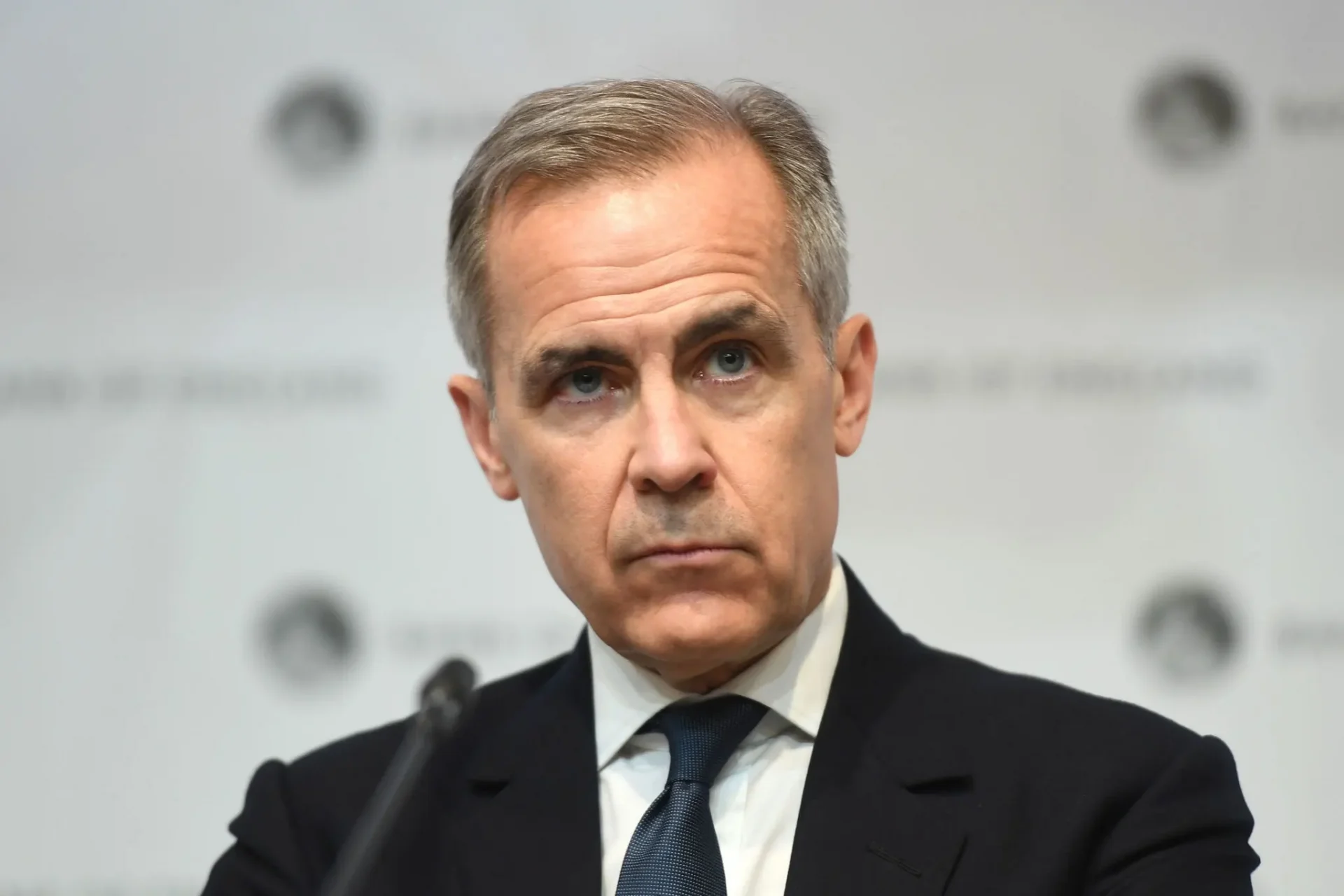
In moments of financial uncertainty, certain figures emerge not as politicians in the traditional sense, but as stabilizers of global confidence. Mark Carney is one of them. Known for steering major central banks through turbulent times, he has become one of the most influential economic voices of the 21st century.
From Canada to the United Kingdom and the global climate stage, Carney’s career reflects a rare combination of financial expertise, diplomatic skill, and crisis management.
From Investment Banking to Central Banking
Before entering public service, Carney built his career at Goldman Sachs, working in global financial markets. But his defining chapter began when he was appointed Governor of the Bank of Canada in 2008 — just as the global financial crisis erupted.
Under his leadership, Canada’s banking system weathered the storm better than many advanced economies. His approach emphasized liquidity support, clear communication, and confidence-building measures. International observers credited Canada’s relative stability in part to swift monetary action and strong regulatory oversight.
Leading the Bank of England Through Brexit
In 2013, Carney became Governor of the Bank of England — the first non-British citizen to hold the role in the institution’s history.
His tenure coincided with one of the most volatile political and economic periods in modern UK history: the Brexit referendum and its aftermath. Markets reacted sharply to uncertainty surrounding the UK’s departure from the European Union.
Carney responded with stabilization tools, forward guidance, and reassurances designed to calm investors and protect financial institutions from systemic risk. While his policies were sometimes politically controversial, many analysts argue they helped prevent deeper economic shock.
A Voice on Climate and Sustainable Finance
After leaving the Bank of England, Carney shifted focus toward climate finance and sustainable investment. He became a prominent advocate for aligning financial systems with environmental responsibility, arguing that climate risk is financial risk.
He has worked with global institutions to encourage investment frameworks that support net-zero transition goals. His involvement in climate-related financial initiatives elevated him beyond the role of central banker into that of global policy influencer.
Crisis Manager or Political Figure?
Though not traditionally aligned with party politics, Carney’s influence often intersects with political debates — especially on fiscal policy, economic resilience, and sustainability.
Supporters describe him as a steady technocrat with international credibility. Critics argue that central bankers with strong public profiles inevitably shape political landscapes.
What is undeniable is his role during critical turning points:
- The 2008 global financial crisis
- The Eurozone instability period
- The Brexit shock
- Post-pandemic economic volatility
- The integration of climate risk into financial regulation
Leadership Style: Calm Under Pressure
Carney is known for measured communication. In times of crisis, markets respond not only to policy decisions but to tone. His speeches often emphasize stability, long-term planning, and risk awareness.
Central banking is as much about expectations as interest rates. Managing market psychology became one of his defining strengths.
